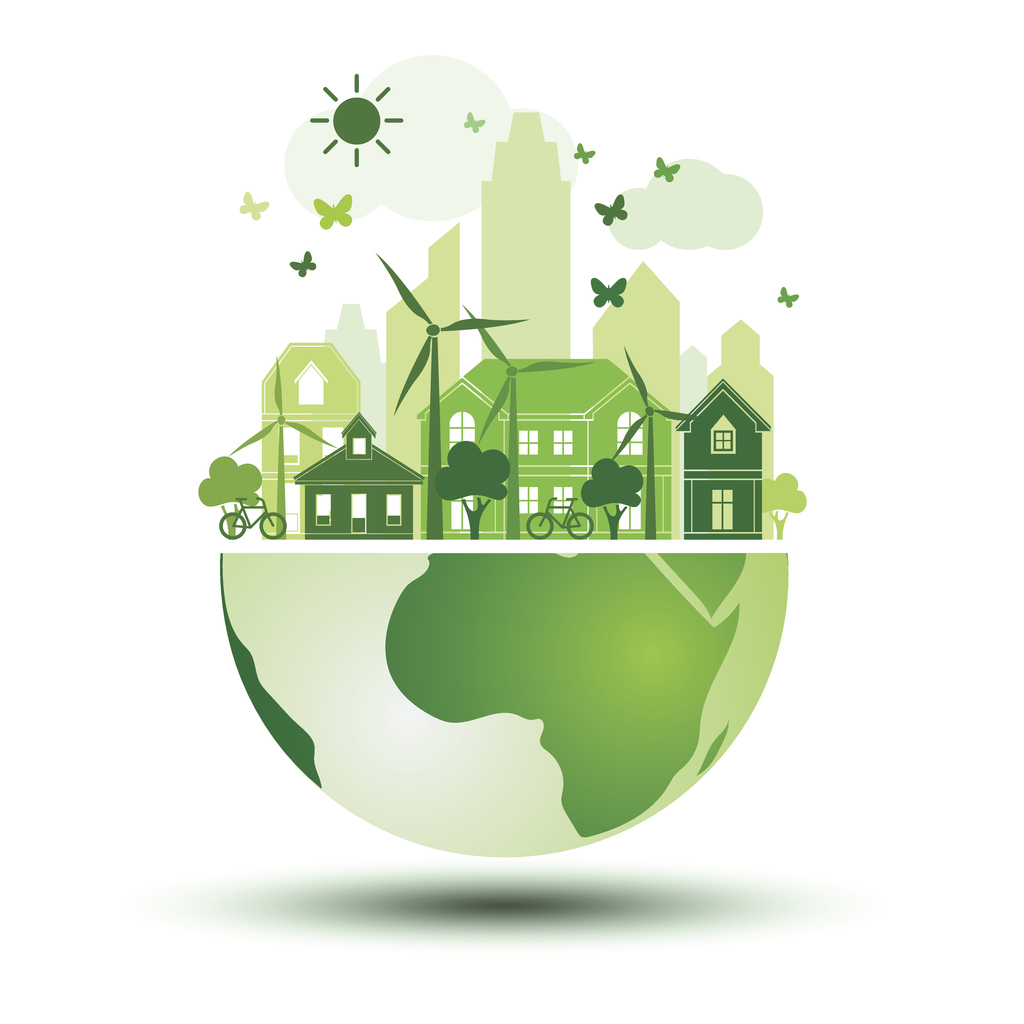
GBCE: LEED Certification and Ecological Architecture

superadmin
February 9, 2017
Do you know the main vectors on energy saving and efficiency that are imposed by the Green Building Council Spain (GBCE) to obtain the GREEN certificate? According to the LEED Green Associate Study Guide from the USGBC, there are two crucial concepts within LEED certification: ecological construction and ecological building. Let's approach both concepts.
Ecological Construction: A Necessity
As pointed out by the GBCE, building buildings has a cost, from an ecological point of view, since all the resources and materials used in their construction and all the energy used during their useful life have direct consequences both on the environment and on the health of people. In a country like the United States, the data regarding the footprint that buildings print on the environment are as follows:- They consume 14% of drinking water
- They produce 30% of the waste generated
- In their construction, they consume 40% of the total raw materials used
- They are responsible for 38% of CO2 emissions
- They consume between 25% and 50% of all energy consumed in the country
- They consume 72% of total electrical energy
It can be said that ecological construction is an industry in full swing. However, one must take into account that most of the strategies used in ecological construction are neither new nor original. Builders of the past already knew the advantages of harnessing solar light and wind to achieve natural lighting and heating and ventilation (passive design principles). In a way, ecological construction is nothing more than a return to simpler solutions that shy away from high technology. It aims to combine the best of old and new construction in a creative yet intelligent way.
Ecological Buildings: Costs and Savings
Ecological projects have a particularity: they must be prepared to adapt to future changes. In addition, they must be designed to withstand the passage of time. This requires constant monitoring to determine the necessary improvements and the changing needs of their occupants. It is about projecting in the long term.At first glance, it may seem that alternative materials and the additional work of this type of construction represent a significant cost. However, this perception is misleading, as a sustainable building actually "has no price" (the entire required investment is insufficient if the benefits to the environment and the long-term advantages are taken into account).
On the other hand, from an investment perspective, the highest rents are for those buildings with ecological certificates, since given the benefits they provide for their users and their respect for the environment, they are in higher demand.
Beyond the Concept of Ecological
Although at first the purpose of ecological buildings was to minimize damage to the environment and the health of people (as a result of their construction, use, and maintenance), as the concept of sustainability began to permeate the construction sector, it was demonstrated that merely minimizing damage was not enough. It is not only about not harming the environment but also about creating regenerative buildings, that is, that contribute, as if they were living organisms, to renewing the available resources in the long term, to be part of positive development within the ecosystem. Developing an integral plan for the project's site therefore becomes indispensable.

Siber Ventilation
Related posts
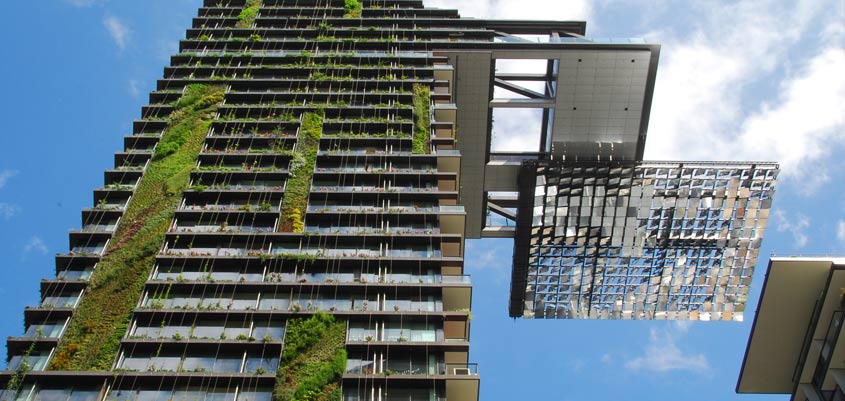
Sustainable architecture in Spain: some recent examples
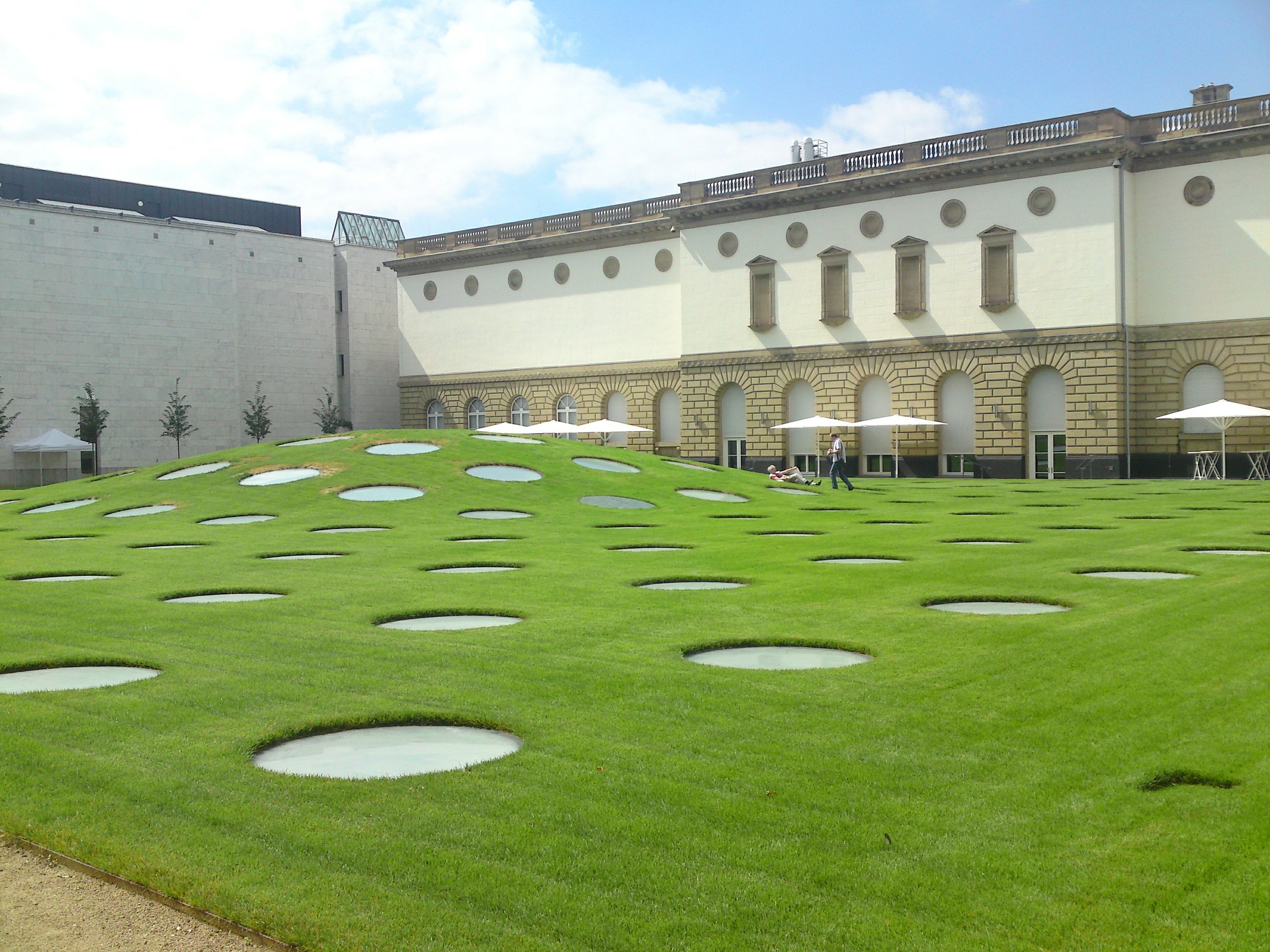
Do you know what the principles that define sustainable architecture are?