Do you know what the principles that define sustainable architecture are?

superadmin
May 6, 2017
What is sustainable architecture?
Sustainable architecture, also called ecological architecture or sustainable, is defined as that which is capable of planning, designing, constructing, demolishing, and recycling buildings in a sustainable manner for human beings and the environment. For this, it is necessary to optimize natural resources and construction systems in such a way that their environmental impact is minimized. The principles outlined below could serve as a basis for the development of sustainable architecture.Principles for sustainable architecture
- Value the needs: a building has an environmental impact on the surrounding area and the specific location where it is built. Therefore, it is necessary to plan precisely the needs for space and area that the building will have, distinguishing the relevant from the dispensable.
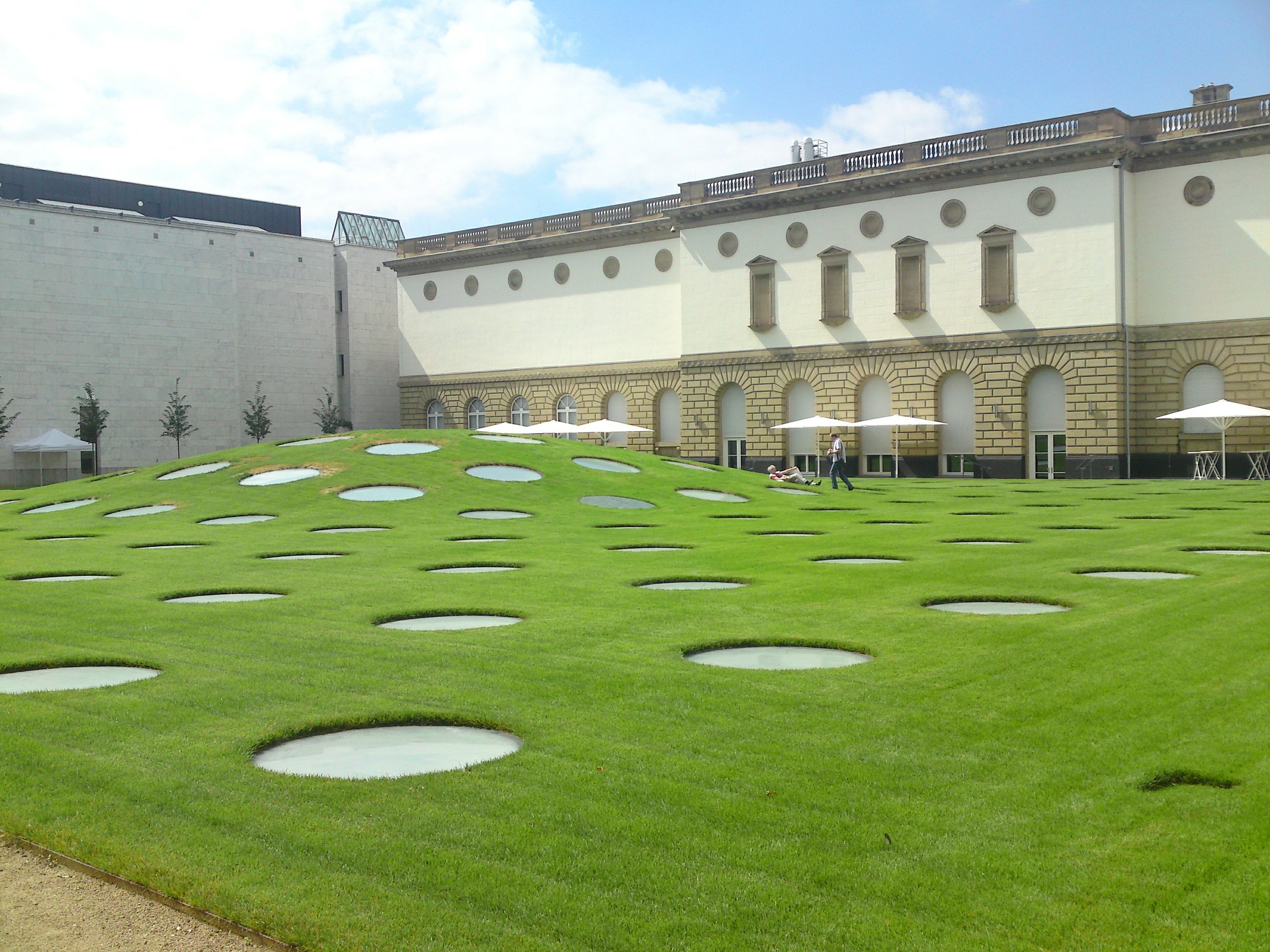
- It is necessary to plan the construction taking into account the local climate. Aspects such as leveraging natural light based on the latitude of the land, or natural ventilation are essential to optimize the resources that will eventually be consumed once the building is operational. The use of skylights and light wells with a suitable orientation in both public buildings and homes is a characteristic construction element of ecological architecture. This significantly reduces electricity and heating consumption.
- Energy savings: three factors are fundamental when considering a design that promotes energy savings. On one hand, the external surface, on the other, the total volume of the building and finally the thermal insulation that will be available on the entire exterior envelope.
- The use of renewable energies: it is essential to propose the use of technologies that utilize renewable energies such as solar panels, wind generators, or co-generation systems to produce electricity already in the project phase.
- Water consumption should be planned to achieve savings through systems that collect rainwater for sanitary use, irrigation, or potable water consumption.
- The use of materials requires a detailed prior study, as many materials commonly used in construction are toxic due to the large amount of solvents, dust, and harmful agents they contain. Moreover, manufacturing these materials consumes a large amount of energy, partially responsible for global carbon dioxide emissions. Therefore, it is necessary to use materials manufactured with sustainability criteria, whether glass, stone, concrete, treated wood, etc. Ecological buildings are characterized by being easily dismantled and reusable. The materials used in this type of construction must fit this requirement. It is also necessary to use recycled materials, something that can be planned during the project phase before the construction begins. Currently, waste management allows for the acquisition of construction materials (wood, metal, plastics, ceramics, etc.) from previous demolitions of other infrastructures or buildings.

Siber Ventilation
Manufacturer of High Energy Efficiency Ventilation Systems. Siber provides a set of high energy efficiency solutions in wind and mechanically intelligent ventilation, improving the Health, Hygiene, and Comfort of people, being respectful of the environment.
Related posts

air flow
energy efficiency
dual flow ventilation systems
Ventilation systems and components
fans
Constant flow ventilation systems, how do they work?
Constant flow ventilation systems adapt to actual ventilation needs and avoid losses of load or efficiency.