Sustainable architecture: present and future of construction

superadmin
March 21, 2022
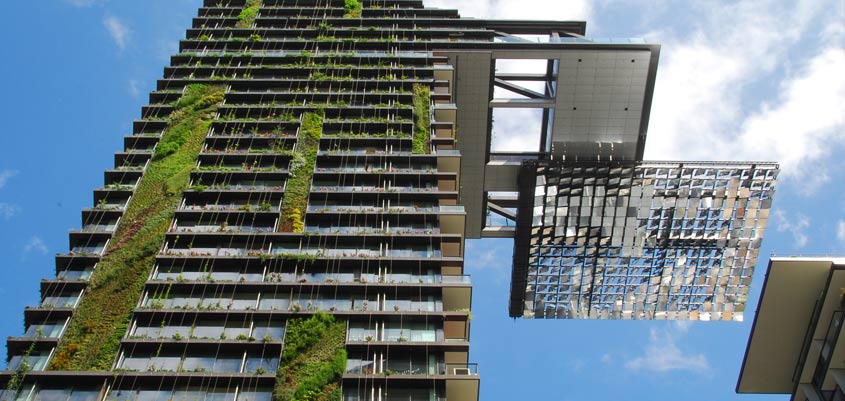
Respect for the environment has become one of the central values at the beginning of the 21st century worldwide. It is a cross-cutting movement that affects the main industries and drivers of any economy, public policies, and legislations of various scopes, and it is increasingly demanded by the end public. In this context, the development of sustainable buildings and housing (Sustainable Architecture) has quickly transitioned from being considered a difficult-to-access luxury to an essential requirement, both in the construction of new spaces and in their remodeling.
The benefits of Sustainable Architecture
First, we must take into account that in the entirety of the European Union, considered one of the most guarantee-oriented and sensitive spaces towards sustainability in the world, approximately 75% of the real estate stock is considered inefficient from an energy efficiency standpoint. Only in Spain, buildings are responsible for 36% of the country's energy consumption, a figure that takes on particular significance in inflationary contexts with constant increases in the price of electricity, gas, or fuels.The response to this situation involves the construction and rehabilitation of spaces using methodologies based on sustainable architecture, whose main benefit is a drastic reduction of energy resources used both in the construction phase and in the subsequent use of buildings and housing. Merely renewing the existing building stock would represent an energy reduction of about 5 to 6% across the EU, with an approximate reduction of 5% in CO2 emissions.
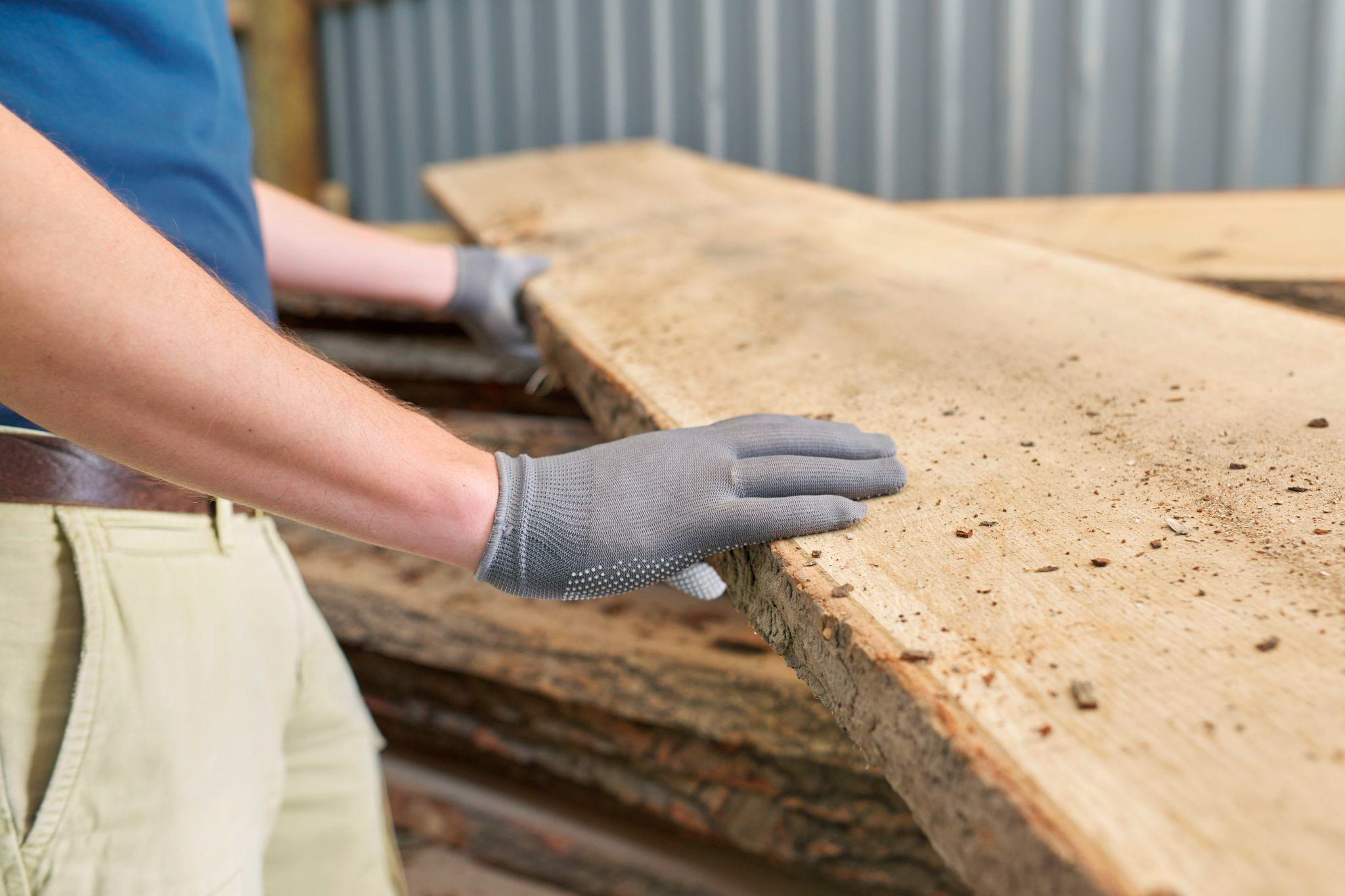
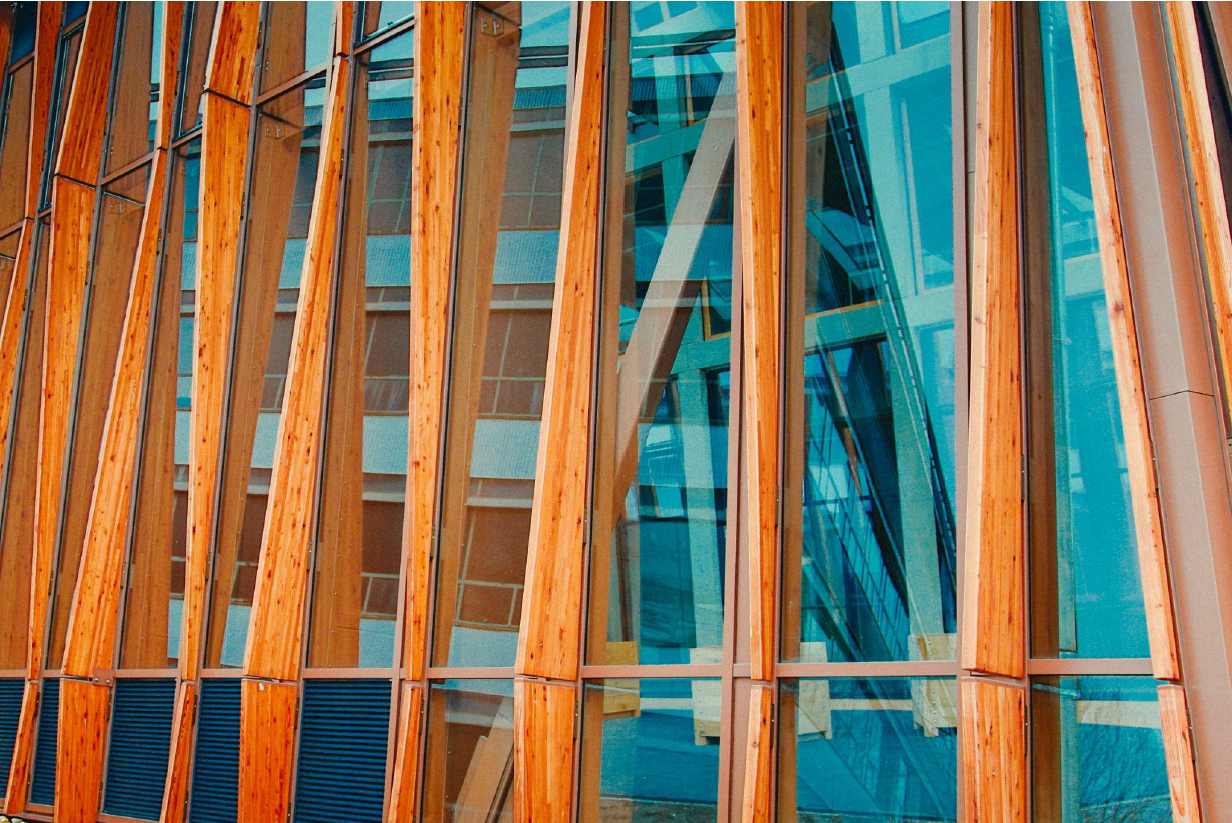
What are the main characteristics of sustainable architecture? From the construction phase, systems are used that allow for a significant reduction of the carbon footprint by employing sustainable construction techniques and materials utilizing elements such as bamboo, vegetable fibers, stone, or wood. Additionally, the planning phase is especially relevant as it is the time when aspects such as orientation towards the south in sunny areas, the biodiversity of the environment, its topography, or the climatic conditions among other aspects must be considered. The site selection is, therefore, a fundamental point to consider.
Sustainable architecture also offers important economic advantages, resulting in savings both during the construction phase and in the later use of the spaces through solutions that provide high energy efficiency.
In this sense, various aspects are particularly relevant, such as the utilization of efficient ventilation systems, photovoltaic energy, or rainwater among other clean self-consumption solutions.
The thermal insulation of structures is another of the fundamental aspects of sustainable architecture. It is essential for achieving optimal energy efficiency since it prevents sudden temperature changes through leaks. Finally, the use of energy consumption control systems allows us to know in real time the performance of our system and to act accordingly when the situation requires it.
Types of Sustainable Architecture
Bioclimatic architecture. Based on the design of buildings that use natural resources such as solar energy, vegetation, rain, and wind; reducing environmental impact and optimizing the energy performance as a whole. It is also characterized by intelligent use of space, the use of sustainable, intelligent, and renewable materials, hygrothermal comfort, and the installation of efficient ventilation systems among other aspects.Biomimetic architecture. The aim of this type of sustainable architecture is the non-invasive integration of structures into their natural environment while efficiently using sustainable resources. The understanding of nature and its functioning is taken into account from the conception of buildings through their construction and later use.
Bioconstruction. Its main characteristic is the maximum use possible of natural and sustainable materials throughout the construction process, from the structure to the finishes, and the utilization of the surrounding material and human resources. It aims for well-being and comfort through shaped spaces. Perhaps you might be interested in the article > > "Learn about the most used materials in sustainable constructions"

Siber Ventilation
Related posts

Bioclimatic architecture: a matter of good building practices
Bioclimatic architecture: examples from the past and recent experiences