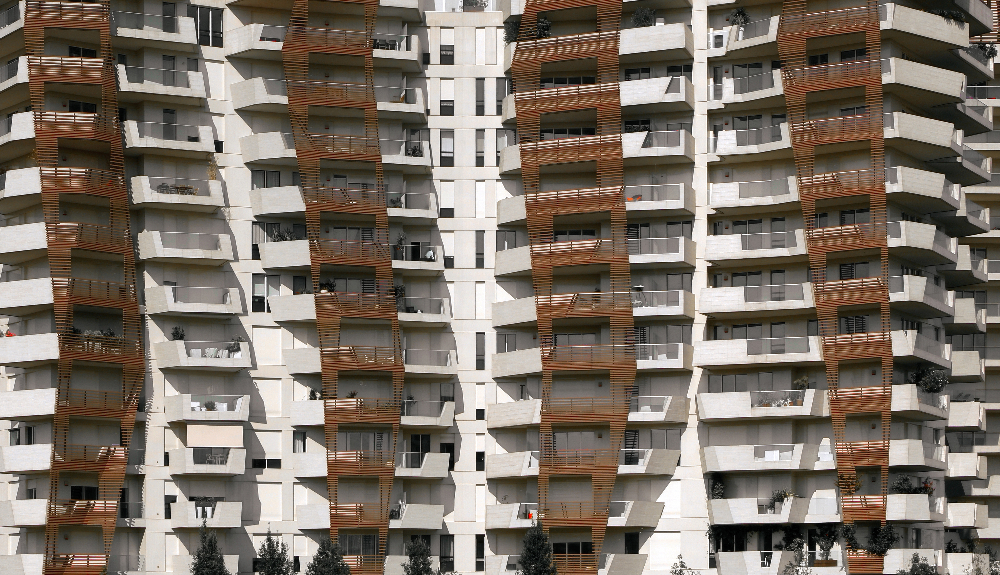
What aspects to consider in building rehabilitation

superadmin
May 1, 2023
The rehabilitation of buildings is a major work that seeks a comprehensive improvement of aesthetic, safety, accessibility, and energy efficiency conditions. Another goal it pursues is to modernize and provide greater thermal and acoustic comfort to the space being intervened.
What is building rehabilitation?
The rehabilitation of buildings requires municipal permits and licenses, since it affects the structure of the construction and also the environment.
It must be differentiated from restoration, as the latter involves an intervention to preserve architectural, historical, or artistic value. That is to say, it is carried out in very deteriorated buildings so that they appear as if they were new again. In this second case, the actions can include a cleaning of the exposed bricks or the painting.
 However, rehabilitation often implies a structural reform. It can change the use to include housing or offices, as well as the installation of some element, like an elevator.
What is considered rehabilitation work?
A rehabilitation of buildings has the following characteristics:
- Change of functionality. For example, from hosting a factory to housing a department store.
- Providing a series of accessibility conditions. Construction of ramps, installation of adapted elevators, etc.
- Installation of elements that represent significant changes in the building, such as the elevator we mentioned.
- Renovation of all electrical systems, ventilation, or thermal insulation, to provide the building with better energy efficiency conditions.
- Improvements or reinforcements in the structure to improve safety.
- Adjusting the sanitation network.
Often, this type of actions combine several or all of the previous assumptions. In fact, these projects are, after the actual construction from scratch, the most extensive that can exist in architectural terms.
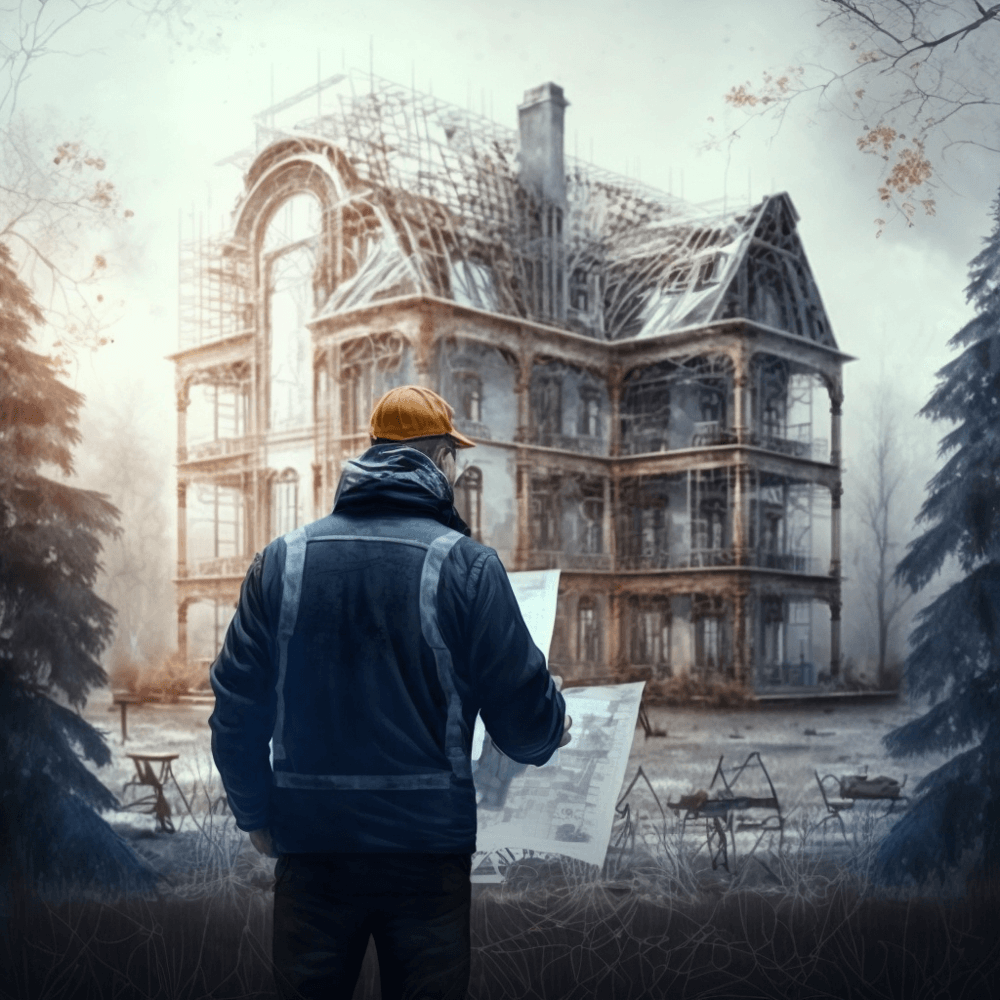
When is a building rehabilitation carried out?
If a building is in such a state of deterioration that it risks the safety of its residents, it is time to rehabilitate it. This is one of the main cases, but there are also others, such as maintenance, improvement, adaptation to energy saving and efficiency criteria, etc. There are many reasons to perform rehabilitation, although the starting points are poor conservation state and age.
Grants and subsidies
Currently, the Government of Spain has opened a line of financial aid in this regard. Among the available options are the following:
- Program of aid for rehabilitation actions at the building level.
- Program of aid for actions to improve energy efficiency in housing.
These are two of the main subsidies, but there are also options available in autonomous communities and municipalities. Therefore, it is necessary to carry out a research effort and request information to find out which one or which to apply for.
Points to consider
When deciding to undertake a project of this size, it is advisable to consider a series of factors. Among them are:
- Objectives of the rehabilitation.
- Calculation of the approximate budget and the cost of materials and labor.
- Request for grants and subsidies.
- Request for the corresponding permits and municipal licenses.
- Estimation of the approximate time.
More than half of the housing stock in Spain is over 50 years old. Therefore, in many cases these types of interventions are necessary. Building rehabilitation implies, in any case, an improvement in safety, comfort, energy efficiency, and accessibility. If you liked this article, you might be interested in reading another one: Housing reform under energy saving criteria: the importance of controlled mechanical ventilation.


Siber Ventilation