Ventilating rooms without windows and closed bathrooms

superadmin
November 30, 2018
Historically, it was very common to think that ventilation was simply opening the windows. But airing a room is much more than that, and it can be very important when it comes to closed spaces. Especially in those where humidity can be stored, such as bathrooms. It is necessary to ventilate closed rooms as best as possible to avoid health problems and gain comfort inside the home.
Many of the old buildings in Spain have closed rooms and above all bathrooms without windows. Other affected places are storage rooms and even bedrooms. However, bathrooms are the most complicated places, as they are humid rooms and can be affected by humidity problems and generate stale air.
How do we know if we need to ventilate closed rooms such as bathrooms?
- Bad odors are a clear indicator that something is wrong and we need to ventilate the affected area.
- Humidity marks can alert us that there is an excess of water vapor in the environment.
- If we suffer from any respiratory complications or cough, it could be due to spending time in that unventilated room.
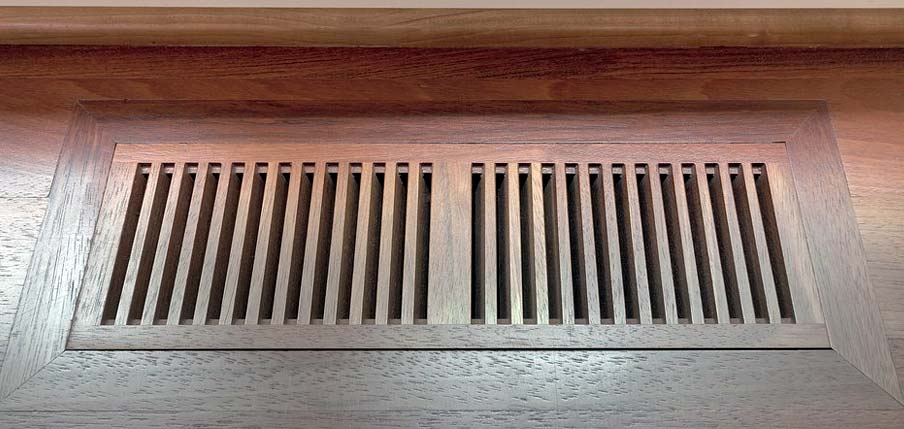
In other words, it is essential that air enters from the outside through the admission grilles in dry areas - or through windows if there are no ventilation systems or if they are old buildings - to then exit through the humid rooms. Among them are bathrooms, where it is very necessary to ventilate closed spaces. What is the best way? By using extractors.
The regulations in the Basic Document HS on health do not specify that it is necessary to use a bathroom extractor, but if there is no mechanical ventilation system, it is practically the only simple and viable option. Extractors can also be used in other types of places, such as basements or storage rooms, where we won’t spend much time but where the air can also get contaminated. It is essential to get rid of stale air, which, in places where cleaning occurs or there are chemical products, tends to promote its formation.
Extractors for ventilating windowless rooms

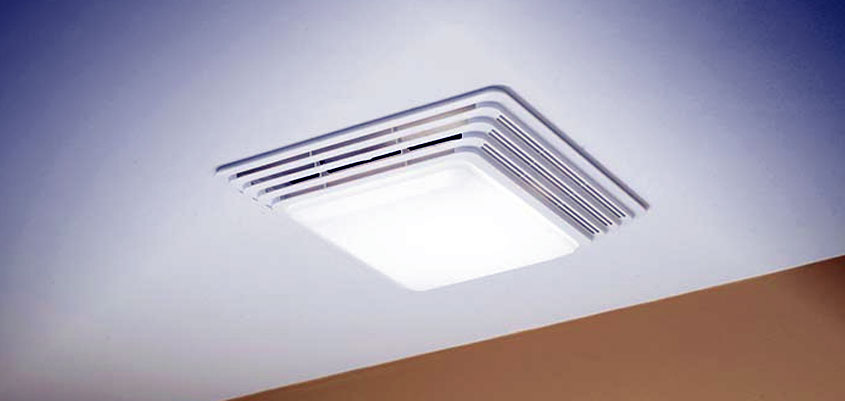
The best way to ventilate closed rooms or those without windows is by using extractors. They are especially common in bathrooms - in kitchens, there are extractor hoods that function similarly but in front of the burners - but can be installed in any other place that needs ventilation. Especially in places where there may be humidity or stale air can occur.
The style of extractors is a personal choice, with models such as grilles or covers, among others. Where should they be installed? It is advisable to mount them on the upper part of the wall or on the ceiling. They must be far from the bathtub and heating devices, which are the two main dangers for the extractor, as they could remove heat through the extraction and cool too much in winter. If they are to be installed very close to the shower, it is possible to buy a version that avoids short circuits.
We find the following mechanisms of operation in the bathroom extractors for ventilating closed rooms:
- Switch extractors. They are the most common, as the mechanism is very simple. They are activated with a button, which is usually the one for the light. They have the drawback of being the least efficient as they are only on when the light is on.
- Timer extractors. They are somewhat better than switch ones. In this case, they are usually slightly more efficient since they turn off after a timer has elapsed after being activated. They are ideal for spaces with high humidity, as the extractor will be functioning longer, even after we have left the bathroom.
- Presence detector extractors. These are very common in public spaces. In this case, they are activated by sensors that detect when someone walks by. They are a good solution when natural light enters the closed space.
- Moisture sensor extractors. They are perhaps the most efficient, as they can automatically activate when humidity rises above indicated values.


Siber Ventilation
Related posts

Why is mechanical ventilation necessary in homes?