Tips for converting our home into a sustainable dwelling

superadmin
October 28, 2019
No one doubts that thefuture of construction lies inenergy efficiency. Buildings must primarily focus on ensuring that homes and workplaces can consume the minimum amount of supplies, which is why, starting in 2020, there will be a mandate for theNearly Zero Energy Buildings. However, what do we do with the current housing stock? Or, in the case of wanting to build a new house, how do we implement a plan to create aneco-friendly house? For this, we offer some very goodtips for converting our home into asustainable dwelling.
The environment is currently at the forefront of current affairs, so the first reason tobuild eco-friendly houses is to make our planet healthier and protect the environment. However, for end users,sustainable dwellings can save a lot of money on energy costs. While many circles still hold the idea that buildingeco-friendly constructions is more expensive than following traditional patterns, that is not the case.
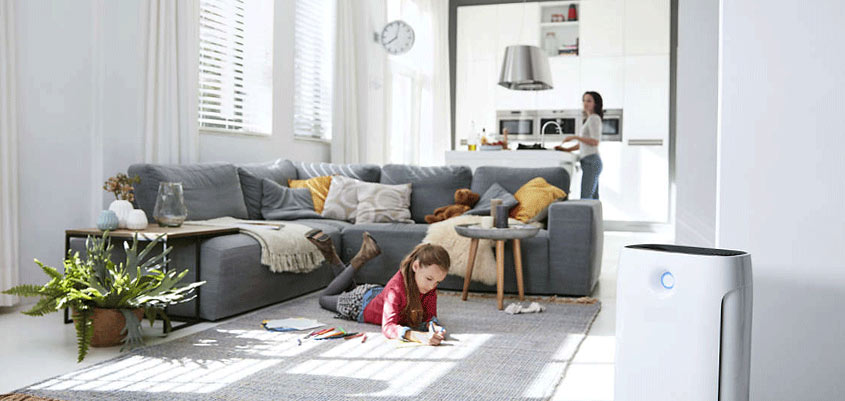
Another major benefit ofeco-friendly construction is that we can improve the quality of life for the people living in these homes. Some of its health benefits are:
- You breathe higher quality air, which prevents diseases.
- Temperatures are more natural without the need for traditional climate control devices.
- Humidity disappears along with bad odors.
- It prevents pollution from entering the interiors.
- You enjoy better rest and also a greater sense of well-being and concentration. /ul> That’s why, if we can,turn our home into a sustainable dwelling is something that will provide us with economic benefits - thanks to the commitment toenergy efficiency that saves costs on electricity bills - but it will also grant us a greaterquality of life.
- They must beenergy efficient. Supply consumption must be minimal, as specified in theNearly Zero Energy Buildings.
- Ecologically, they must respect the natural resources of the area where they are built. For example, they must use sustainable materials that can be easily obtained from the area. /
- Location is crucial. Years ago, many people chose to opt for cheaper housing far from their workplaces or leisure areas. A poor location translates into higher economic expenses for transportation, as well as a reduction in available leisure time.
- Size does matter. Whenever possible, avoid large spaces. Smaller homes are much easier to acclimate, so a smaller plot or a compact-sized dwelling can save a lot. What if it’s about renovations? Turn large living rooms into smaller rooms.
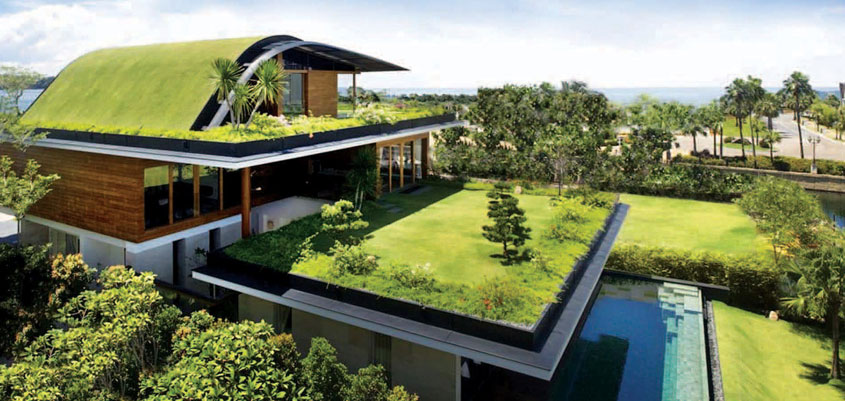
- Thermal insulation. This is the first major technique to implement toconvert our homes into sustainable ones. If done from the initial planning stage, it’s easier, but even in already constructed homes, we can improve climatic conditions with insulating walls, airtight windows and doors, or protected ceilings. A good alternative is a ventilated roof.
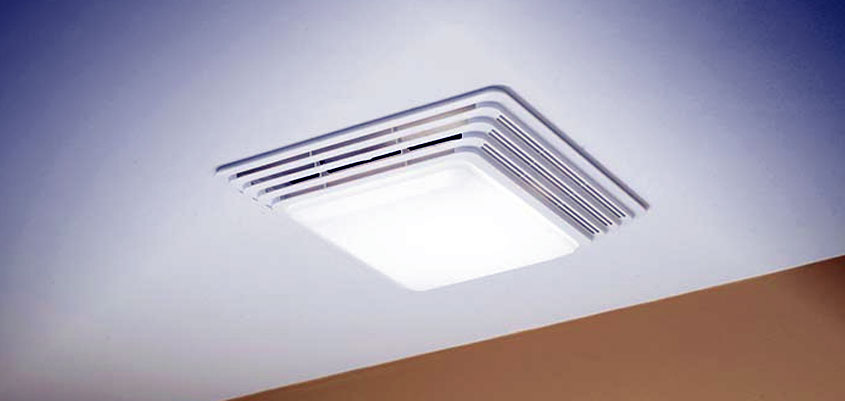
- Opt formechanical ventilation systems. Air renewal is fundamental for health, but it’s also a great ally for improving climatic conditions. Thedouble flow forced ventilation can provide us with warm air pumped into the house during winter and cooled air in the summer. Thanks to it, with minimal cost, it’s possible to do without heating or air conditioning most of the time.
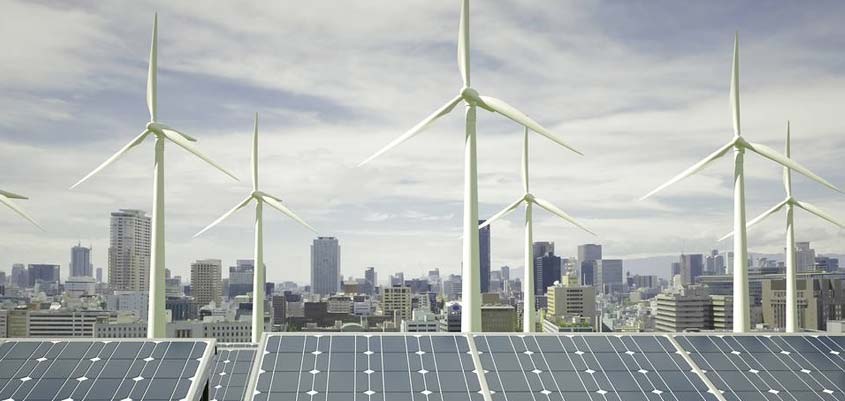
- Invest in the creation of renewable energies. Both rainwater harvesting and the installation of solar panels can help make our homes require less energy, but above all, be eco-friendly.
- LED lighting and maximizing natural light. How much do we spend on light bulbs? If we're not careful, it’s the second largest household electricity expense. LED alternatives can reduce that consumption, while large windows and automatic blind systems can offer us better use of sunlight. /
6 tips for making our home sustainable
Building aneco-friendly house is very positive for several reasons, but personally, health and the economy of those using that home also improve. After all,buildings are the biggest polluters in our cities, even more so than traffic. If we all opt forsustainable dwellings, cities will be much cleaner environments, and it will be possible to save on supplies.
When thinking abouteco-friendly houses, it should be noted that they must meet two requirements:
-
Normally, all buildings that comply with the sustainability of the area are highly energy efficient. Legally, the Technical Building Code focuses solely onenergy efficiency. However, voluntary energy certificates such as BREEAM and Passivhaus do take both factors into account and are the best solution for guidelines on how to implement sustainability in homes.
But what can we do toconvert our homes into sustainable ones?/
-
It’s important that we take into account the various ways toconvert our homes into sustainable ones and thus improve the housing stock for greaterenergy efficiency.

Siber Ventilation
Related posts
Constant flow ventilation systems, how do they work?