How to remove mold from walls?

superadmin
June 15, 2022
Many people are unaware of how to remove mold from walls effectively. Without a doubt, this is a very important problem in terms of aesthetics and health, especially in areas with high moisture condensation. We mainly talk about the bathroom and the kitchen. Therefore, we will explain how to eliminate it easily and quickly.
These are the reasons why mold appears on walls
Mold is the result of the proliferation of a fungus that lives both indoors and outdoors. However, for it to grow, appropriate conditions must be present. Specifically, we refer to high temperatures and a higher than normal percentage of humidity.The reason why mold appears on walls more frequently in winter than in summer is simple. It is mainly due to the higher temperature contrast between the bathroom or kitchen and the outdoors. A fact that translates into a greater condensation of moisture.
Additionally, these fungi reproduce through spores that travel in the air. This causes them to spread rapidly throughout the space. On the other hand, it can cause numerous respiratory problems. Most of them are related to allergic processes that lead to throat irritation, sneezing, and excess mucus. And if that weren't enough, mold has the ability to damage clothes, furniture, paper, etc.

How to remove mold from walls: home remedies
To prevent mold from causing numerous health problems, it is necessary to confront it as soon as it appears. Fortunately, we can easily eliminate it with cleaning tools that everyone has at home.Use a mixture of water and bleach
The most effective remedy, although also the most dangerous. Chlorine is an abrasive substance that can harm the skin and respiratory tract. For this reason, we recommend its application using protective gloves.To implement this method, simply mix in a bucket two tablespoons of bleach for every liter of water. Then, moisten a brush (a toothbrush will suffice) in the mixture. Next, just scrub the walls until it disappears.
Apply 3% hydrogen peroxide
For this cleaning method, it is only necessary to spray the hydrogen peroxide on the surface of the wall affected by the mold. After that, let it act for 10 to 15 minutes and finally, moisten a cloth in water to remove the remnants. The advantage of this remedy is that it also eliminates the spores of the fungus, thus limiting its subsequent proliferation.Use white cleaning vinegar
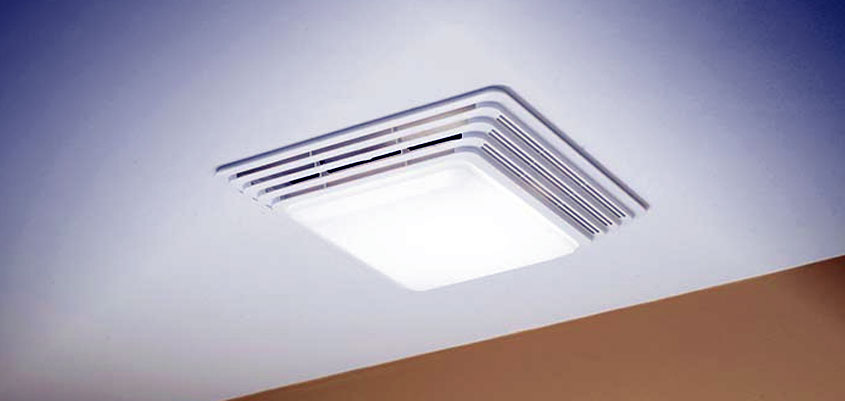
This natural and completely safe remedy consists of mixing white cleaning vinegar with water. Specifically, the exact proportion is 250 ml of this substance for every liter of water. Thanks to this combination, we also succeed in reducing its strong odor that is bothersome for some people. Afterwards, just pour the mixture over the walls and remove it with a damp cloth.As we have seen, the indoor air quality of any home can be negatively affected by mold and its spores, which negatively influences our health and the deterioration of materials. Therefore, beyond knowing how to remove mold from walls, we must consider how to prevent it. Without a doubt, ventilation systems play a key role in this regard. With them, it is possible to maintain stable levels of humidity in the air and temperature to prevent these microscopic beings from proliferating.

Siber Ventilation
Related posts