What architectural challenges does the BIM methodology solve?

superadmin
February 9, 2020
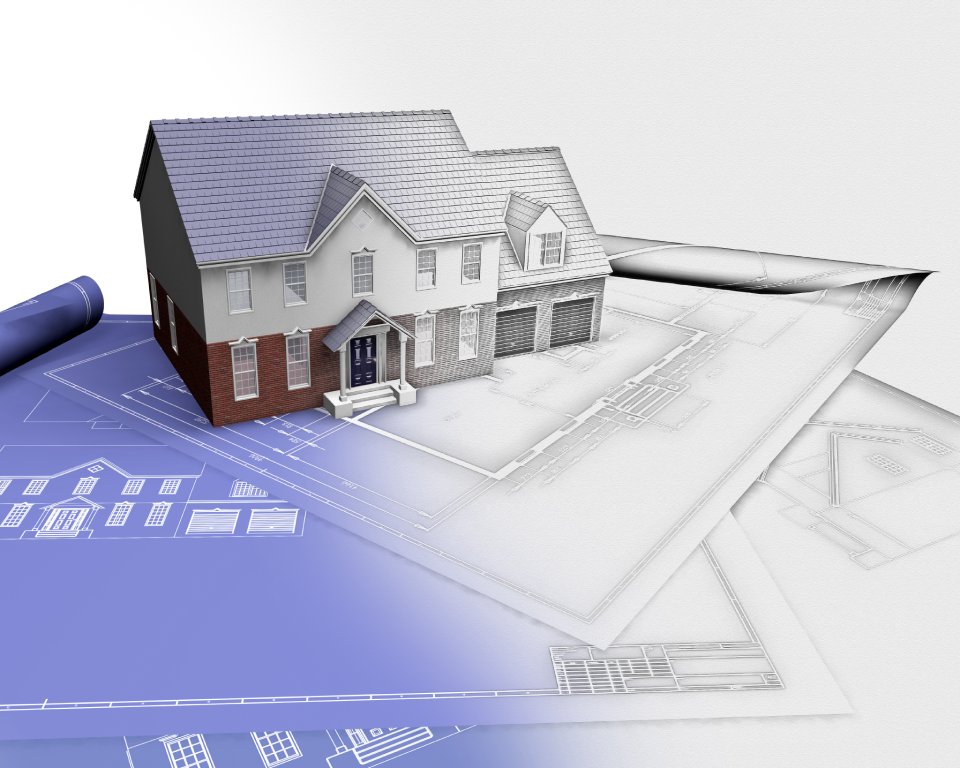
The BIM methodology has gained special importance in recent years due to the many benefits it offers in the design and construction of buildings. Thanks to computer assistance, the BIM methodology allows for the design and construction of the project, involving all parties from the beginning to the end of the project.
The tools that make up the BIM system complement the information and possibilities of CAD technology, which allows for 2D and 3D modeling and design of all kinds of elements. The new dimensions that the BIM methodology adds are execution times (4D) and project costs (5D).
Thanks to this methodology, it is possible to simulate the lifecycle of the building prior to construction and accurately calculate the costs and construction times to achieve an efficient project, identifying potential problems in the initial phases, allowing for modifications to the 3D geometry.
Challenges that the BIM methodology facilitates in your projects
By integrating the BIM methodology into your project, challenges and objectives can be easily and simply overcome. In BIM-modeled projects, real elements housed in extensive online libraries can be incorporated, allowing for viewing their structure, price, how they integrate into the project, and even seeing the contact information to acquire them once their validity and utility have been verified. In this way, wait times are significantly reduced as different elements, materials, and structures can be virtually tested, which in turn translates into monetary savings.- Information from each element that influences the project is collected, quantifying and measuring the exact performance of the building.
- The magnitude of the project is organized and sized, locating the elements that influence the building.
- The behavior of each element is analyzed, ensuring their efficiency and precisely checking how they interact with each other and with the environment where they are installed.
- Information is transmitted and analyzed more easily thanks to a more realistic representation of the project.
- Thanks to the virtual installation of elements in the project, the supply process for the necessary materials is facilitated.
How the BIM methodology facilitates the design of ventilation systems
The BIM methodology facilitates work in several construction sectors, especially in ventilation systems, allowing for the extraction of data related to the aerodynamics of the fan, the energy consumption of the system, or the acoustic information.By implementing this methodology, three-dimensional models can be created, through which specialists can observe the different currents and simulate air sweeping, thereby selecting the best ventilation system. For example, in spaces like hospitals, it is very helpful as they are large buildings with a constant flow of people, making it highly recommended to use this methodology since ventilation significantly impacts the health of individuals in such buildings.
The true relevance of BIM modeling is in the level of detail, the amount of information provided, and the efficiency of the project. As materials are added to the construction, it is observed not only how they will be installed but also the interaction between them. The available tools allow one to see, for example, if a ventilation duct collides with a beam, thus anticipating unforeseen events and seeking alternative solutions, all virtually and without the need to move or require physical objects.


Siber Ventilation
Related posts
Ventilation After the Implementation of the BIM Methodology
Advances in Digitization in Construction