


Mitigation of Radon Gas in Homes

superadmin
December 10, 2020
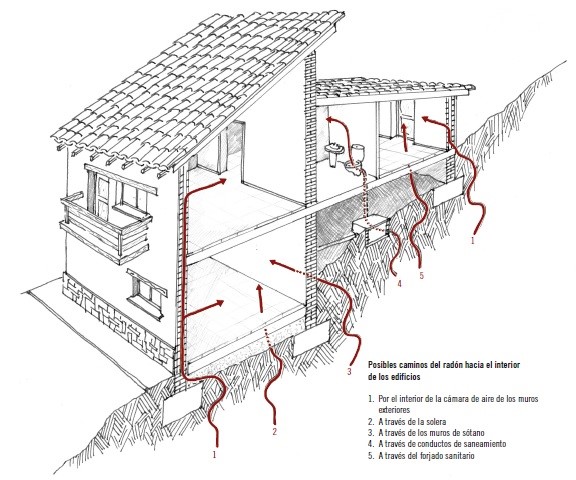
Sometimes, determining the entry points of radon gas inside buildings, even knowing that it mainly comes from the ground, is not easy. In this case, we can observe a house built on a slope, whose lowest floor was completely buried by one of its main facades.
Read moreMost favorable climates to apply the Passivhaus standard
superadmin
October 1, 2020

The climate is one of the factors that most influences when designing a passive house. It is so because it will largely determine its design. The reason is that it will affect both the inhabitants and the structure of the building. In addition, it does so permanently and determines how comfortable the home will be in different seasons of the year. In fact, there is a specialty in Architecture, Bioclimatic Architecture, that assesses how the climate affects those who will live in a property. Next, we want to show you which climates are most favorable to apply the standard...
Consequences of carbon dioxide in the interior of buildings and homes
superadmin
September 22, 2020

CO2 is a gas that can negatively affect people. The effects it has on the environment due to atmospheric pollution are well known. However, it is also interesting to know the consequences of carbon dioxide in the interior of buildings and homes.
-
Why is there carbon dioxide in the interior of buildings and homes?
Key Elements of a Building Evaluation Report
superadmin
July 30, 2020
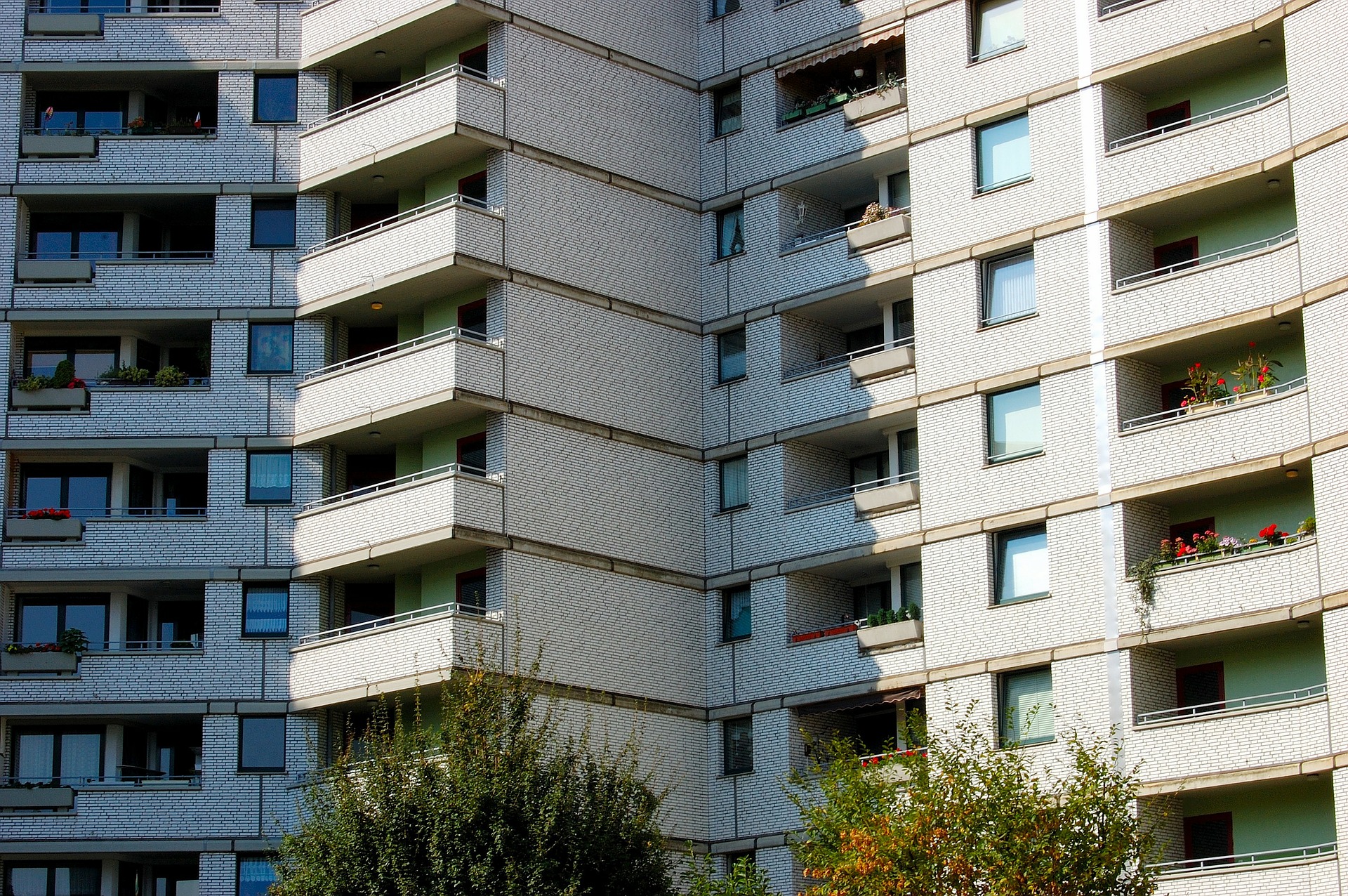
The Building Evaluation Report, IEE, is a document that serves to certify the condition in which buildings are in terms of their preservation, compliance with current regulations regarding universal accessibility, and the degree of energy efficiency. The Urban Administration may request it from property owners located in residential collective housing buildings, as indicated by a previously established timetable. Below we show you the key elements of a Building Evaluation Report.rn
- rn t
- rn
What key elements of a Building Evaluation Report must you know?
rn rn
- rn t
- The state of preservation. rn t
- The degree of energy efficiency. rn t
- Accessibility conditions. rn t
- Acoustic conditions. rn
Title 1 of Law 8/2013 focuses on regulating the Building Evaluation Report and within its article 4 shows what the content of the IEE should be, which is:rn
- rn t
- Assessing the condition of preservation of the building, which must comply with the conditions outlined in the Land Law, which was approved by Royal Legislative Decree 2/2008, of June 20. rn t
- Check the basic conditions regarding universal accessibility. Additionally, it must indicate whether the building needs adjustments to meet those conditions. It must comply with Law 26/2011 of August 1, which requires that reasonable adjustments in terms of universal accessibility be made, including any necessary works. rn t
- The energy efficiency certification of the building must comply with Royal Decree 235/2013, of April 5. rn
- rn t
- rn
Which buildings need to have an IEE?
rn rn
- rn t
- Collective residential buildings rn t
- Hotels rn t
- Residences rn t
- Buildings intended to be occupied by a group of people rn
If you are not sure how many years your building has, you must go to the land registry to find out its year of construction. If it is more than 50 years, remember that it should already have the IEE.
It is important that you comply with current legislation and that your building does so as well. If you have any questions in this regard, contact our team of experts who would be happy to help you.
How ventilation influences the habitation certificate
superadmin
July 28, 2020

Properties must meet a series of characteristics in order to be lived in. There are different factors taken into account, and in the following lines, we want you to know one of them, which is why we show you how ventilation influences the habitation certificate of a home.
-
What is the habitation certificate of a home?
How to calculate the energy rating scale and its optimization
superadmin
July 17, 2020
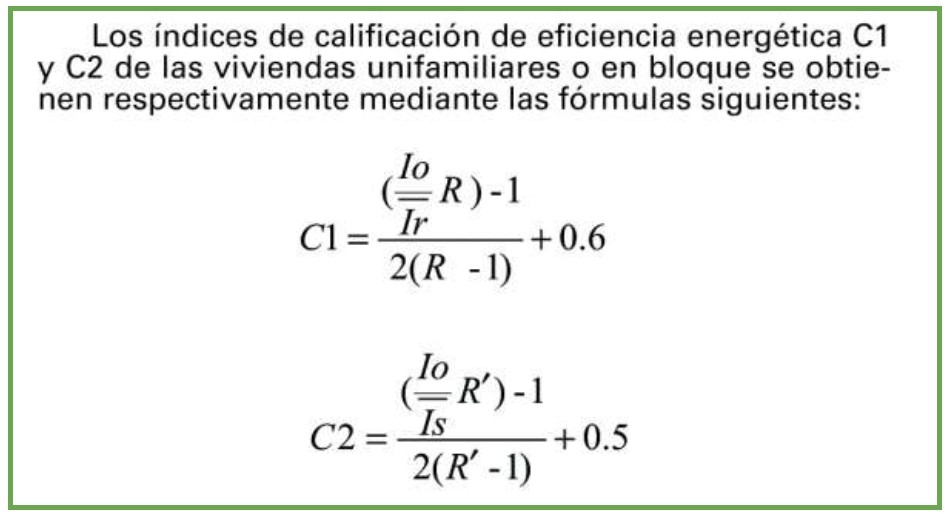
The Energy Efficiency Certificate is an official document that is mandatory for all properties that are to be sold or rented. Although interpreting the scale values is not difficult, as it is a value from A to G and has a series of colors from green to red for better understanding, how to calculate the energy rating scale is more complicated. The reason is that a process of calculations is needed that are quite complex, involving specific indices and intervals.
- ...
Read more
How to obtain the Energy Efficiency Certificate with mechanical ventilation
superadmin
July 16, 2020

The energy certificate is a document that is essential for both selling and renting a property. This document includes the energy consumption and CO2 emissions of the property in question. In Spain, it has been mandatory since June 1, 2013, and is regulated by Royal Decree 235/2013. Furthermore, this certificate originates from a European Directive to which all member states have already joined. Next, we show you how to obtain the Energy Efficiency Certificate with mechanical ventilation.
-
How to obtain the Energy Efficiency Certificate with mechanical ventilation in compliance with regulations?
To know which regulations apply to the property, it is necessary to consider whether it is a residence or a commercial premises, as they are different.
When it comes to a residence, the document that regulates ventilation is the Basic Document HS3, Basic Health Requirements, from the Technical Building Code CTE.
For commercial premises with a use other than housing, the regulation that is taken into account for ventilation is the RITE, the Regulations for Thermal Installations in Buildings. It appears in the section dedicated to interior quality, where the minimum provisions you must include are marked in order to ensure thermal comfort and hygiene through heating, air conditioning, and sanitary hot water installations. The aim is for energy to be used rationally.
Depending on the condition of the premises, it will be necessary to choose one ventilation system or another, but it must always be ensured that the air quality is adequate and that air circulates within the premises efficiently. The mechanical ventilation is the best option, but there can also be other alternatives such as hybrid or natural systems. When it works correctly, it ensures that the premises are free of smoke, chemical pollutants, or any other substance that could harm the health of workers.
It must also be ensured that the quality of the air entering from the outside is adequate, and for this purpose, it will be necessary to have filters or similar elements so that the air that enters is as pure as possible.
To obtain the Energy Efficiency Certificate with mechanical ventilation it must be verified that the installations are correct and functioning properly.
-
What should different buildings meet to obtain the Energy Efficiency Certificate with mechanical ventilation?
If you have any questions about how to obtain the Energy Efficiency Certificate with mechanical ventilation, contact our team, and we will help you.

Mechanical Ventilation to Improve on the Energy Certification Scale
superadmin
July 7, 2020

Fortunately, environmental care is increasingly considered in the construction sector. Many measures are being taken to make homes more efficient. In the following lines, we want to show you how mechanical ventilation can be used to improve on the energy certification scale.
-
Why is mechanical ventilation important to improve on the energy certification scale?
Modifications of the CTE after the publication of RD 732/2019
superadmin
June 25, 2020
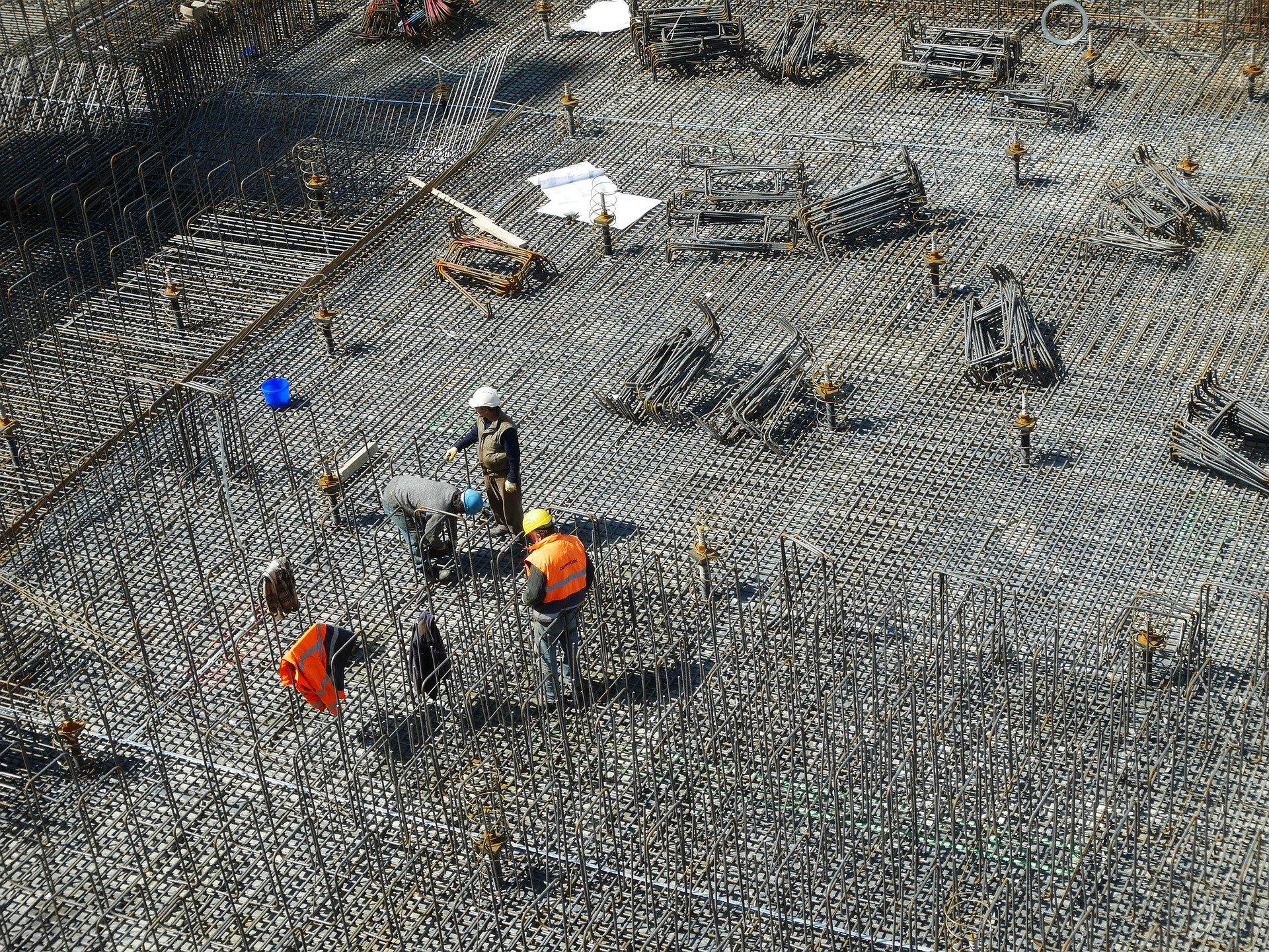
The changes that have occurred serve for the CTE, the Technical Code of Construction, to adapt to the new requirements intended to optimize buildings in terms of energy efficiency, health, comfort, and safety of those who inhabit the homes.
Read moreHow does ventilation affect an ITE?
superadmin
June 22, 2020

The Technical Inspection of Buildings is a technical control that buildings must undergo every certain period of time. To pass it successfully, it is important to comply with a series of regulations. Next, we show you how ventilation affects an ITE.rn