Is airing the rooms the same as ventilating the home?

superadmin
September 30, 2019
The need to ventilate the home is much more noticeable today than it was in the past. Our houses need to breathe, and the air must be renewed in each of the rooms, bathrooms, and kitchens. Historically, ventilation was easily referred to as the process of opening the windows for a while and letting the outside air in. But that is more airing the rooms than ventilating, and are they the same?
Definitely, airing the rooms is not ventilating the house. The renewal of air must basically ensure that air, which has lost quality in the rooms, is extracted and replaced with air from the outside. And that cannot be achieved just by opening the windows.
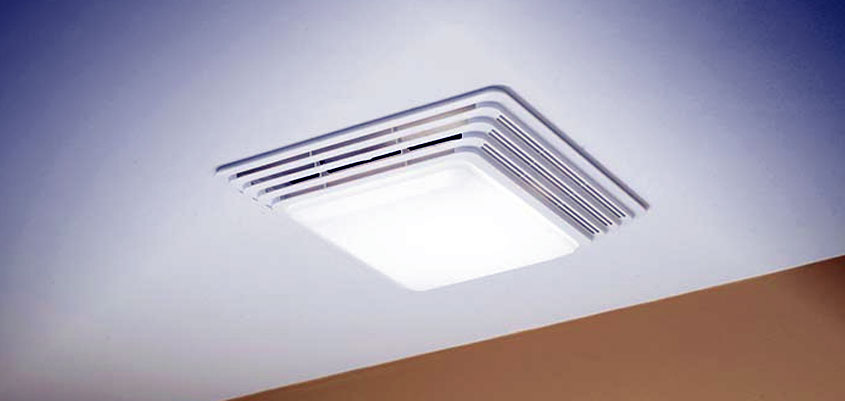
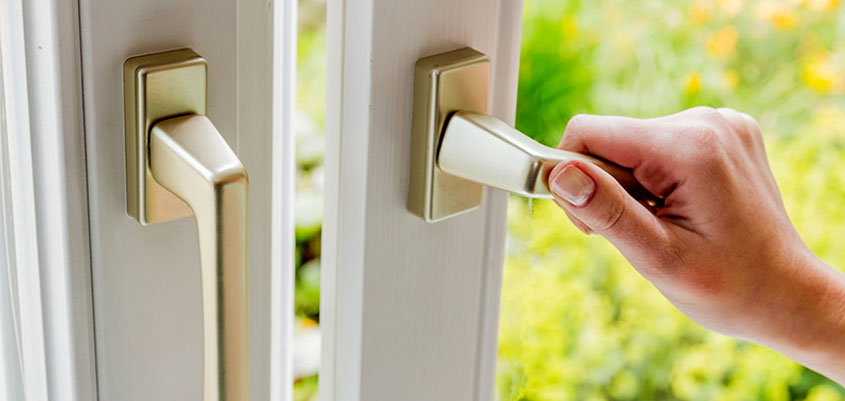
Airing, on the other hand, is the effect of opening the windows so that outside air enters the home. Still, that does not mean that the home is ventilated, as it does not necessarily imply an air renewal. If there is no wind outside and only the window is open, the outside air can come inside and the interior air can go out, but it can also simply stagnate the mechanical ventilation system, preferably a double flow one. That way, the proper extraction of air will be automatically guaranteed, in addition to filtered air being pushed in from the outside.
However, the vast majority of Spanish homes still do not have mechanical ventilation. In that case, there are still many actions we can take to ensure air renewal indoors.
The most suitable time of day and the time that should be dedicated to ventilation depend on the local climate, the use of the house, and the season of the year we are in.
- Now that cold temperatures are approaching, the ideal is to ventilate around noon, taking advantage of when the sun comes in. This way, warmer air will enter and we will gain in climate comfort.
- On the other hand, in the summer months we must ventilate by opening the windows at night, to take advantage of the coolness from outside and avoid external heat during the hottest hours of the day.
- How long is necessary to ventilate? For a room, about ten minutes every eight hours is sufficient. But if there are more people, we need to ventilate more.
- In the case of bedrooms, it is a very good idea to ventilate just after we get up and also before going to sleep.
We must also understand that to air the rooms and ventilate the home, it is essential that before, during, and after cooking, the windows should be open. If we use chemical products to clean the house, the windows must also be open. This way, we can improve health and comfort inside our homes.

Siber Ventilation
Related posts

Why is mechanical ventilation necessary in homes?