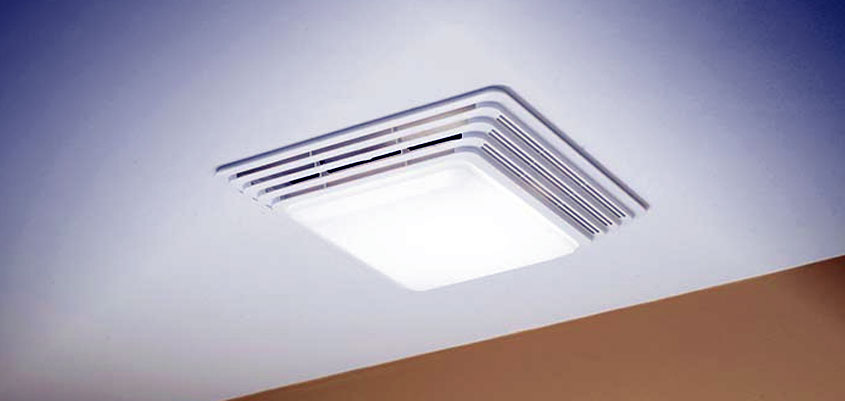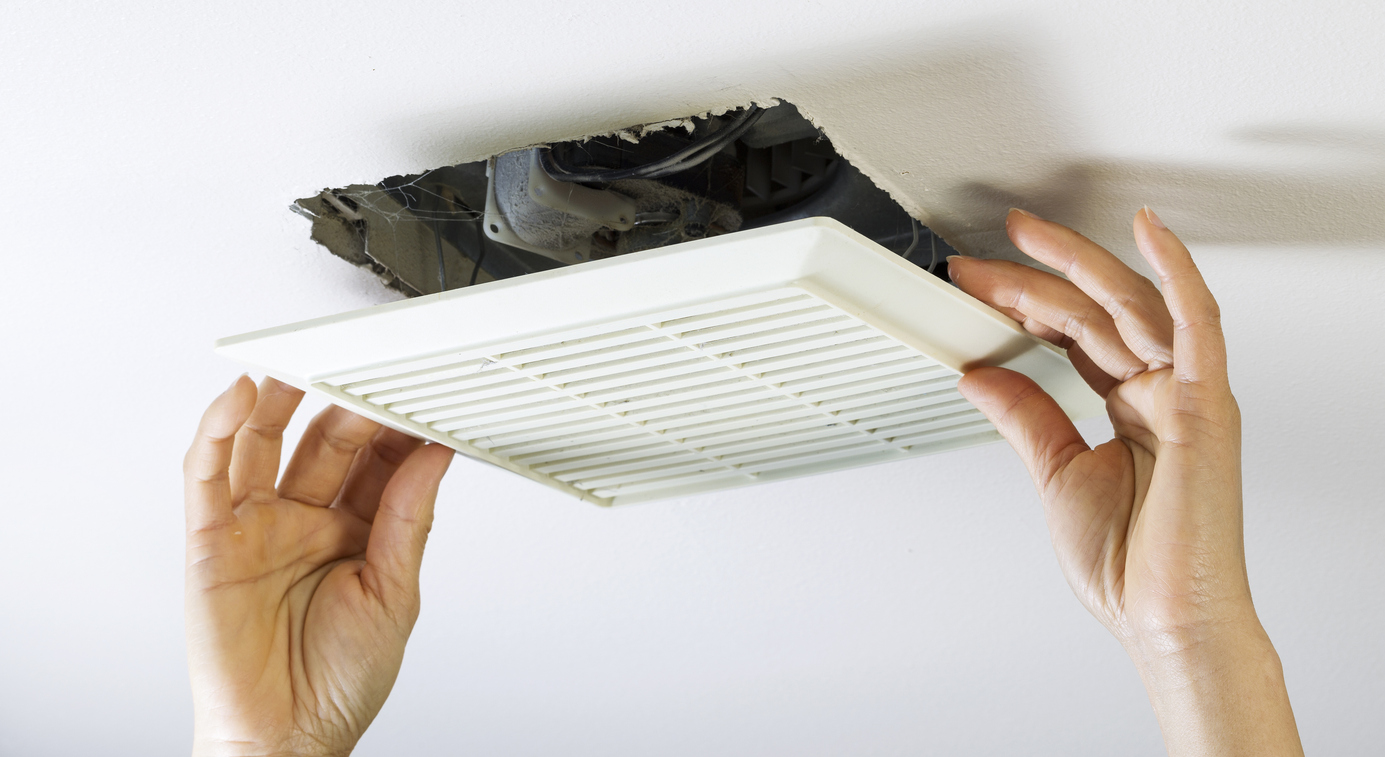
Installing a quiet extractor: a health issue

superadmin
February 22, 2017
Have you thought about the importance of installing a quiet extractor in your home or workplace for your well-being? The current regulations stress the importance of protecting us against noise within buildings.
Thus, Article 14 of the first part of the CTE DB HR Protection against noise, emphasizes the need to limit the risk of discomfort or ailments that noise may generate for the occupants of a building, under normal usage conditions, as a result of the project's characteristics, construction, use, and maintenance. In order to comply with this objective, buildings must be designed and constructed (so that their construction elements have appropriate acoustic characteristics to minimize the transmission of airborne noise and impacts, as well as vibrations from the installations. Furthermore, the reverberant noise of each of its rooms must be reduced, for example, by using a quiet extractor.
CTE DB HR and requirements for quiet extractor installations
How can we reduce the noise and vibration levels that installations transmit to the habitable spaces? The basic document states the following:- Fasteners must be used between the installations and the building's construction elements, so that the noise level produced by the installations due to their own operation (which must not exceed the maximum levels established in Law 37/2003 on Noise) is not increased. In the case of equipment located on roofs and open areas, the maximum acoustic power level must not exceed the relevant acoustic quality objectives.
- If an installation duct (for example, a ventilation system duct) crosses a horizontal separation element, the gaps made in the flooring for the passage of said duct must be covered and sealed with a flexible material that ensures tightness and prevents the passage of vibrations to the building structure.
- Contacts between the floating floor and the installation ducts running below must be eliminated by covering the ducts with a flexible material.
- Elastic elements and anti-vibration systems should be used at contact points between installations that produce vibrations and the construction elements.
Obligations of air conditioning and ventilation equipment suppliers
If you are considering installing a ventilation (or air conditioning) system in your home, you should know that equipment suppliers are obliged to provide you with the following information:- The acoustic power level of the equipment that produces stationary noises (pumps, burners, terminal units for air control and diffusion, fans, refrigeration machinery, fan coils, inductors, etc.)
- The mechanical stiffness and the maximum load of the elastic beds used in inertia bases.
- The damping, the transmissibility curve, and the maximum load of the anti-vibration systems used to isolate the equipment.
- The acoustic absorption coefficient of the absorbent products used in the ventilation ducts.
- The attenuation of prefabricated ducts.
- The total attenuation of the silencers interposed in ducts or embedded in construction elements.


Siber Ventilation
Related posts