Hygrometry: what it is and what effects it has on health

superadmin
March 3, 2017
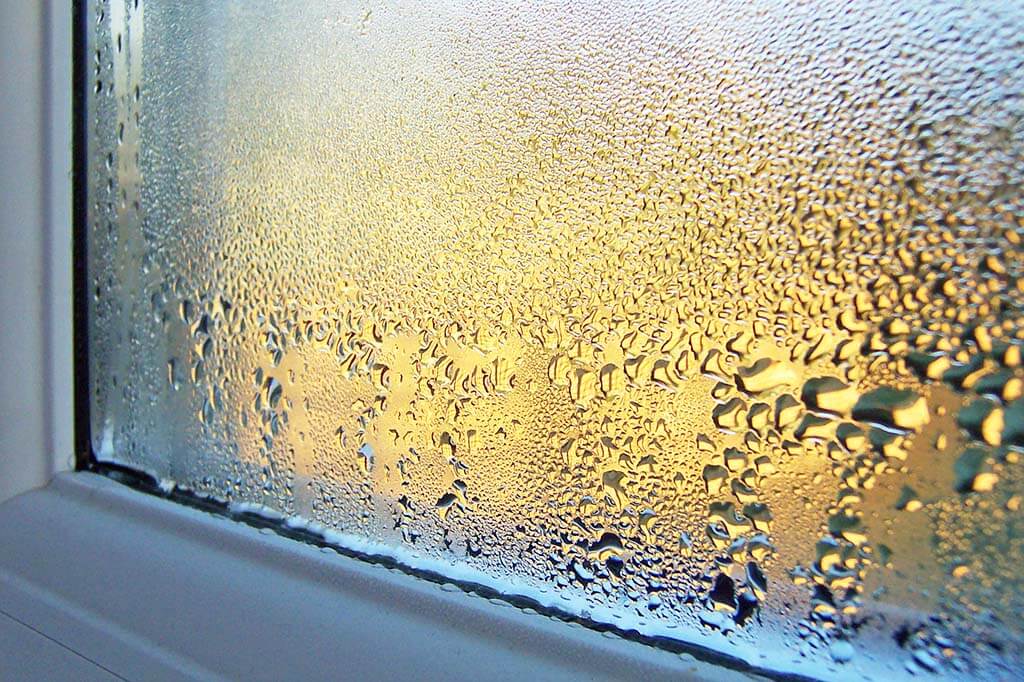
Over time, humidity (whether from condensation, infiltration, or capillarity) in our homes can become a significant problem. The airtightness of modern buildings, lack of ventilation, and the ability of some construction materials to absorb moisture from their surroundings (that is, hygrometry) are among the origins of humidity issues. Do you know the adverse effects that excess humidity can have on people's health? Do you know what the dangers of materials with high hygrometry are? Below, we explain some of the consequences of excess humidity on our health.
What is excess humidity?
Excess humidity is considered to occur when it is above 65%, a percentage at which microorganisms find the optimal conditions for reproduction and spread. If you are unsure about the humidity level in your home, a hygrometer will help you determine the moisture level in your house. If the humidity level is above the recommended level, a first measure to reduce the ambient humidity level is the installation of an electric dehumidifier.Effects on health of excess humidity and materials with high hygrometry
Bacteria, fungi, or viruses can cause irritation, allergies, infections, headaches, cough, fever, muscle pain, nausea, asthma, and respiratory disorders. Like a vicious circle, these microbiological agents have a negative impact not only on people but also on our buildings, as they deteriorate the materials used in construction and affect ventilation and air conditioning systems (which run the risk of spreading), thus doubly affecting the health of their occupants. Humidity represents a health problem for everyone, but especially for those who suffer from chronic respiratory issues, rheumatism, or asthma. It also affects the most vulnerable sectors of the population, such as the elderly and children.Most common problems:
The most common problems related to excess ambient humidity in our homes are as follows:- Allergies. In environments with excess humidity, respiratory allergic reactions worsen, and the likelihood of developing chronic respiratory and pulmonary conditions increases.
- Respiratory infections. Studies show that a humidity level above 70% increases the chances of suffering from viral and bacterial infections.
- Asthma. Studies show that excessive humidity doubles the likelihood of developing asthma in children ages 1 to 7.
- Rheumatism and other bone ailments. While humidity is not among its causes, excess humidity increases both the pain and discomfort caused by bone-related conditions.


Siber Ventilation
Manufacturer of High Energy Efficiency Ventilation Systems. Siber provides a set of high energy efficiency solutions in wind and mechanically intelligent ventilation, improving the Health, Hygiene, and Comfort of people, being respectful of the environment.
Related posts
clean air
air quality
bathroom
Health and comfort
fan
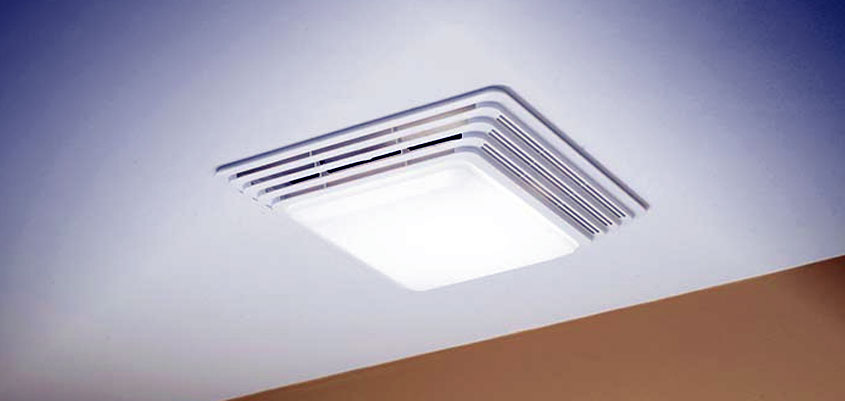
Bathroom fan to renew the air in humid rooms
The bathroom fan is essential for eliminating humidity and contaminated air in humid hygiene areas. We explain how it works.