How to calculate the airflow of garage ventilation or the proper ventilation for parking lots

superadmin
May 24, 2022
Calculating the airflow of garage ventilation through a design for garage ventilation must be approached following a series of technical considerations. These are mainly outlined in the Technical Building Code. Sections HS 3 and SI 3 of this deal with indoor air quality and occupant evacuation. Thus, the importance of proper planning lies in preventing risks. Among them is the danger of toxic gas accumulation and possible fires.
What is the proper ventilation in parking lots?
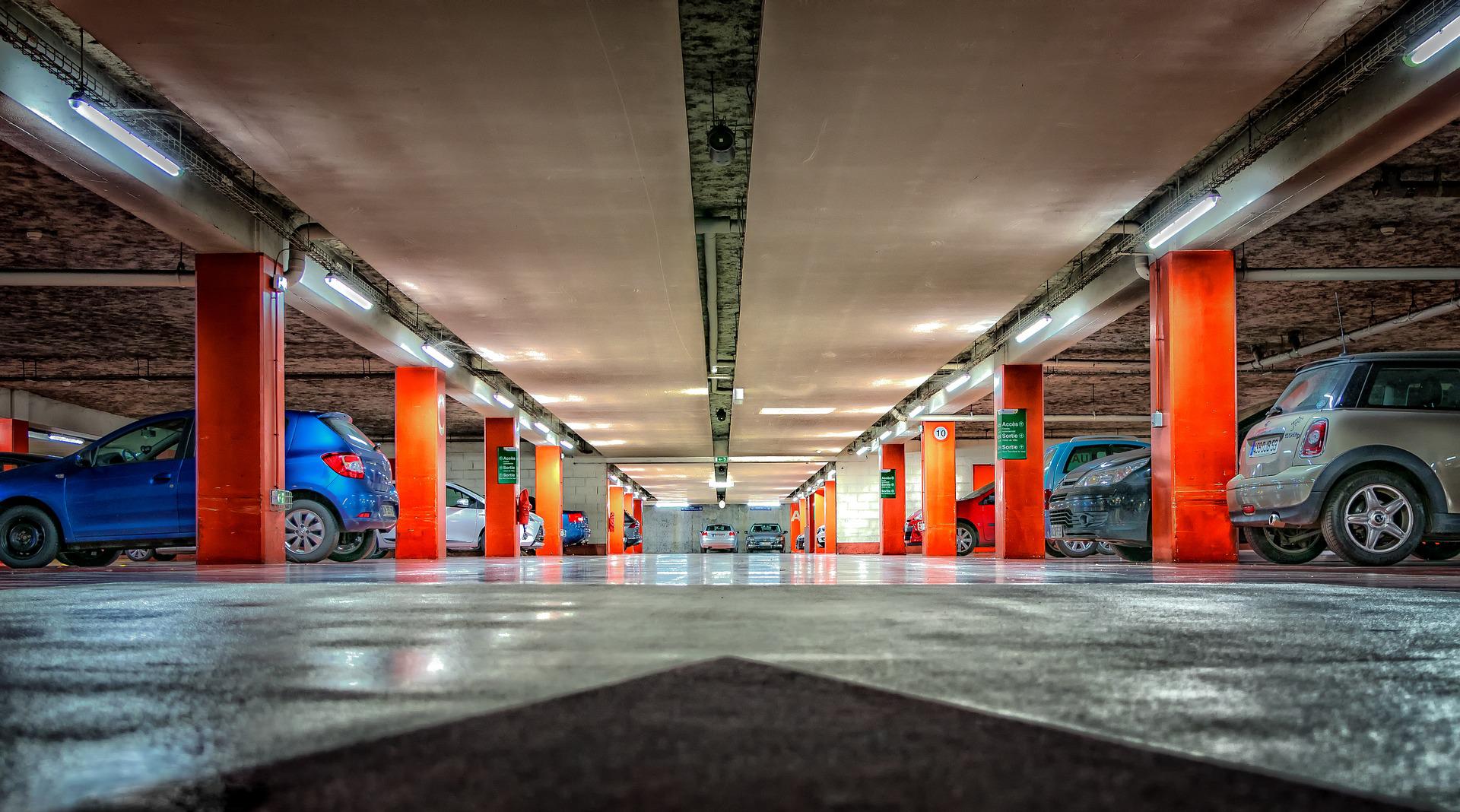
The airflow of parking ventilation affects air quality. These places must have a supply opening and an exhaust opening for every 100 square meters. Additionally, the separation between exhaust points cannot exceed 10 meters. A minimum of two out of three must be at a distance from the ceiling equal to or less than 50 centimeters.Mechanical ventilation can be provided in closed parking lots where natural ventilation is not possible. The system must provide at least 10 air changes per hour.
Jet fans are a common resource in these places. This way, they direct possible smoke towards the exhaust points. Activation can be delayed to ensure that the escape routes for occupants are not compromised by the system action.
It is likely that parking ventilation systems are effective during the early stages of a car fire. However, it is usual for them to fail if the fire spreads to several vehicles and the amount of fire and smoke increases rapidly.
How to calculate the airflow of garage ventilation?
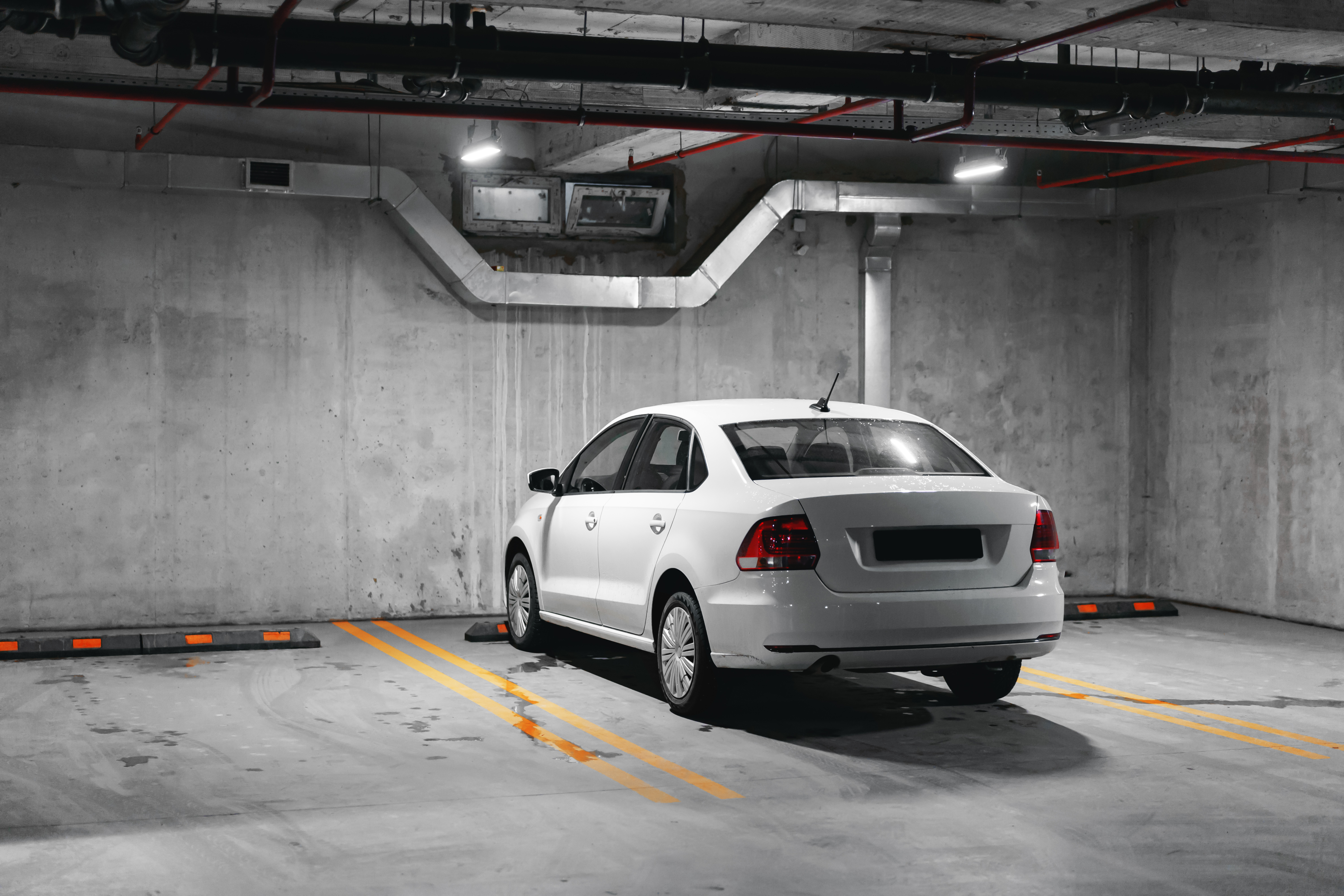
There are methods to determine if the garage ventilation system is functioning properly. Although the variety of garages is wide, many of them outdoors, the covered ones are the most exposed to possible contamination.There is a maximum acceptable CO2 level within closed parking lots. The airflow can be expressed in units or as changes in air volume over a certain time period. It depends on four factors.
- Acceptable pollutant level within the installation.
- Number of vehicles in operation during peak activity periods.
- Duration of the trip and time of operation of vehicles in the parking lot.
- Emission rate of a typical car under various conditions.
Step 1. Collect data on the parking lot
Data includes the number of vehicles that pass through during peak usage hours. This helps us estimate the amount of CO2 emitted. Other data, such as the average CO emission rate for a typical vehicle per hour, must also be gathered.Step 2. Calculate the CO2 generation rate
On the other hand, in addition to calculating the ventilation airflow, it is necessary to determine how much CO2 is emitted during peak usage hours of the installation per unit area.Step 3. Determine the required ventilation rate
Another key step is calculating the required ventilation rate per unit area, depending on the maximum allowable CO2 concentration level.Alongside all these considerations, it is also necessary to take into account the energy efficiency of the systems installed. Currently, there are solutions for aerodynamic and mechanically intelligent ventilation. Thanks to them, it is possible to have spaces that ensure health, hygiene, and comfort, while also respecting the environment.
This is applicable to both garage ventilation and to other spaces. An example is community buildings, where, in addition, the airflow of the ventilation and the regulations that govern air quality in multi-family properties.

Siber Ventilation
Related posts