How the RITE regulation affects the ventilation of machine rooms

superadmin
August 10, 2017
Do you know the requirements of the RITE 2013 regulation regarding ventilation and air quality in machine rooms? In this article, we explain the requirements of the Regulation of Thermal Installations in Buildings.
What is a machine room?
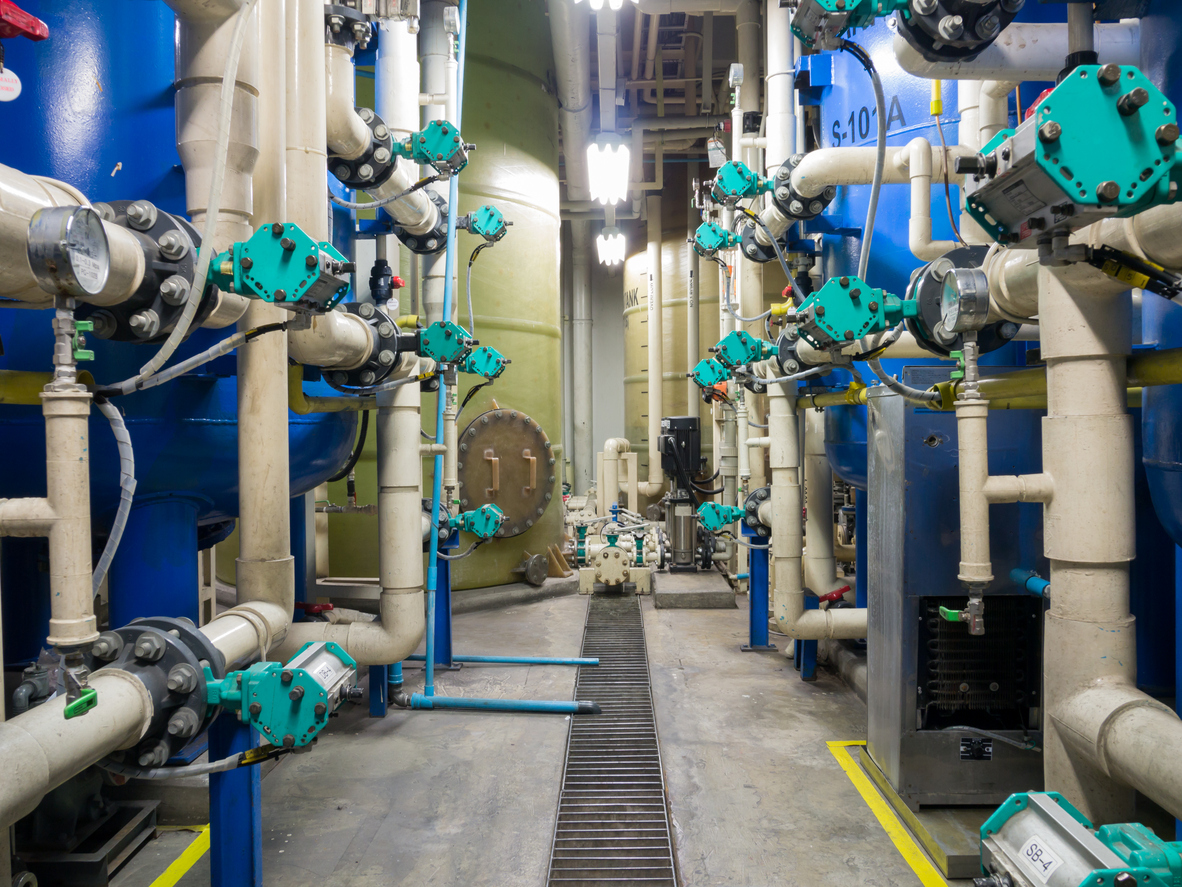
A machine room is a technical space where generation equipment (heat or cold) is located, as well as other complementary equipment of the building's thermal installation, with a power exceeding 70 kW.RITE regulation and ventilation of machine rooms
As established by the RITE regulation, it is mandatory for machine rooms to have mechanisms to renew the air in the spaces. This mandatory ventilation can be carried out naturally, either by connection to openings or ducts, or mechanically, that is, by mechanical means.Whether opting for natural ventilation or mechanical ventilation, the openings or grilles must be separated, at least, half a meter from any ventilation opening located in another different room. To prevent the blockage of the openings with foreign objects, they must be protected for this purpose. In any case, it is strictly prohibited to use ventilation intakes that connect with other closed spaces.
Mechanical ventilation
If you opt for mechanical ventilation, the following requirements must be met:• The minimum ventilation flow rate, expressed in m³/h, that the propulsion fan must guarantee has to be the following: 1.8 · PN + 10 · A (PN is the nominal installed power, expressed in kW, and A is the area of the machine room, expressed in m2).
• The fan will be installed in the burners, so that it activates when one of them comes into operation and stops when none of them is operating.
• In order to reduce the pressure in the room concerning adjacent spaces, there must be an exhaust duct for surplus air flow. This duct (constructed with fireproof material) will be located, at most, 30 cm from the ceiling and on the opposite side of the lower ventilation, to ensure cross ventilation. The minimum size of the duct will be 10·A, to ensure that the overpressure does not exceed 20 Pa. The duct must also run upward without openings throughout its route. Furthermore, its top and outlet must be free of obstacles.
• The switch for the mechanical ventilation system of the technical space will be located as close as possible to the main access door.
• Gas leak detectors must trigger the gas supply interruption system to the room and the exhaust system of the mechanical ventilation system.
• In high-risk machine rooms, the ventilation system switch will be located outside the premises, near one of the entrances.
Operation of the mechanical ventilation system in machine rooms
START-UP:• Turn on the fan.
• Next, using a flow detector (or pressure switch), a time delay regulator must be operated, which, before sending the start command to the boiler, ensures the operation of the ventilation system.
• Start the heat generator.
STOP
• Stop the heat generator.
• Stop the time delay regulator and the fan (only when all the boilers in the premises have stopped).


Siber Ventilation