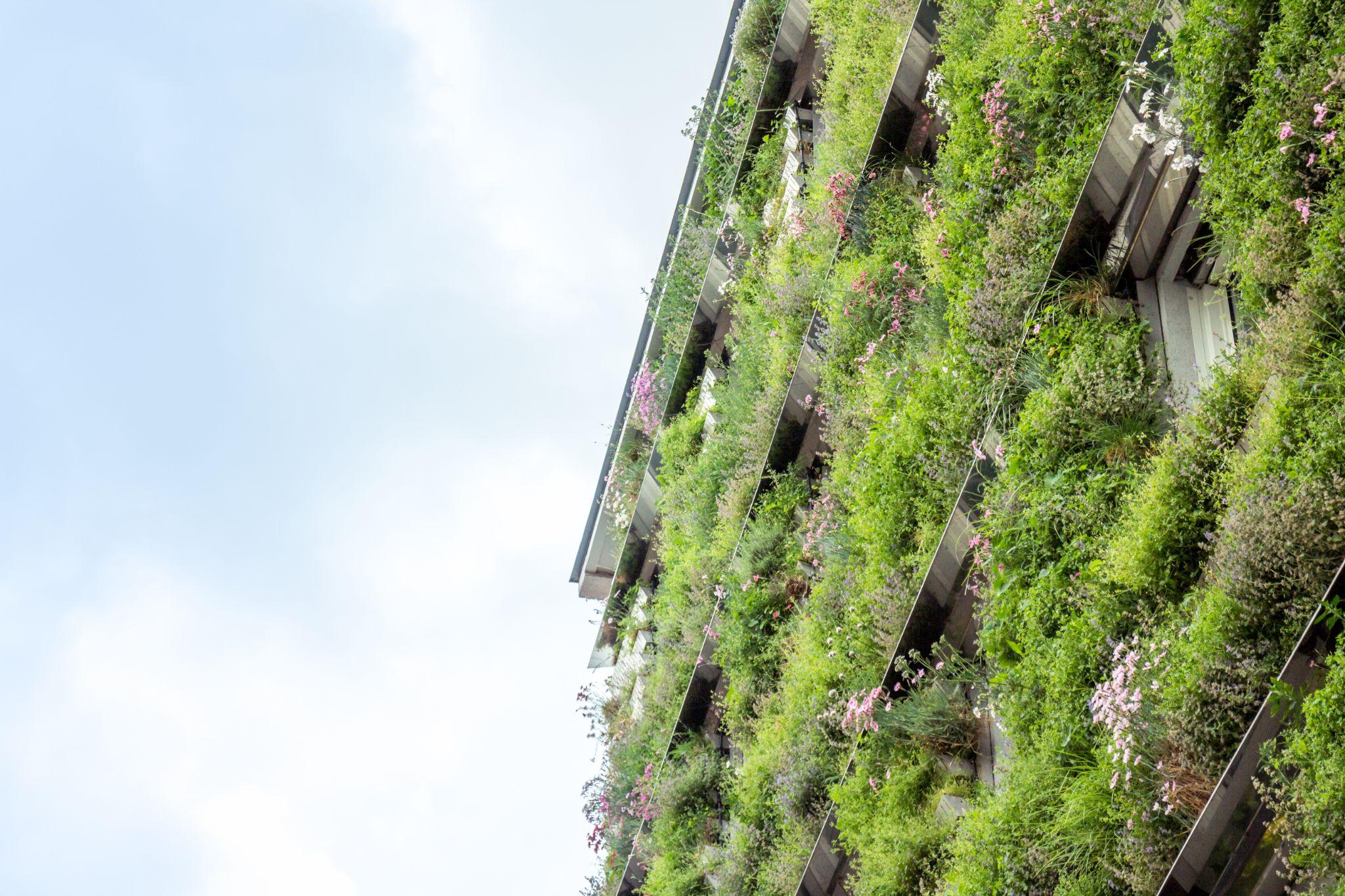
In the Heart of the Next Generation Funds
superadmin
March 18, 2022
The mobilization of resources initiated by the European Union under the Next Generation EU plan to modernize the economy of its member states and overcome the damage caused by the COVID-19 crisis valued at 750 billion euros —of which 140 billion corresponds to Spain— represents a historical challenge and opportunity for our country. Only in the period 2021 - 2023, investments worth 72 billion euros will be made through the Recovery, Transformation and Resilience Plan (PRTR), with a total allocation of 6.820 million euros for the rehabilitation of buildings.
The government has set the goal of rehabilitating 1.2 million homes by 2030, reaching a rate up to 10 times the current rate of around 30,000 annual rehabilitations. This is established in the Integrated National Energy and Climate Plan (PNIEC) which aims for a 23% reduction in greenhouse gas emissions compared to 1990. In this context, the rehabilitation of homes using bioclimatic architecture will receive a notable boost. From the first allocation established in the PRTR of 1631 million euros, 1.151 million will be destined for the rehabilitation of homes and neighborhoods and the rest, 480 million, for the rehabilitation of public buildings.
What types of actions will receive support?
The rehabilitation and urban regeneration plan establishes, among others, that the following actions related to bioclimatic architecture will be eligible for support from the Administration:
◾ Use of renewable energy in thermal heating installations, air conditioning, refrigeration, ventilation, and domestic hot water
◾ Improvement of energy efficiency in common areas of rehabilitated buildings

◾ Design of biodiversity microspaces
◾ Energy installations at a higher scope than the building
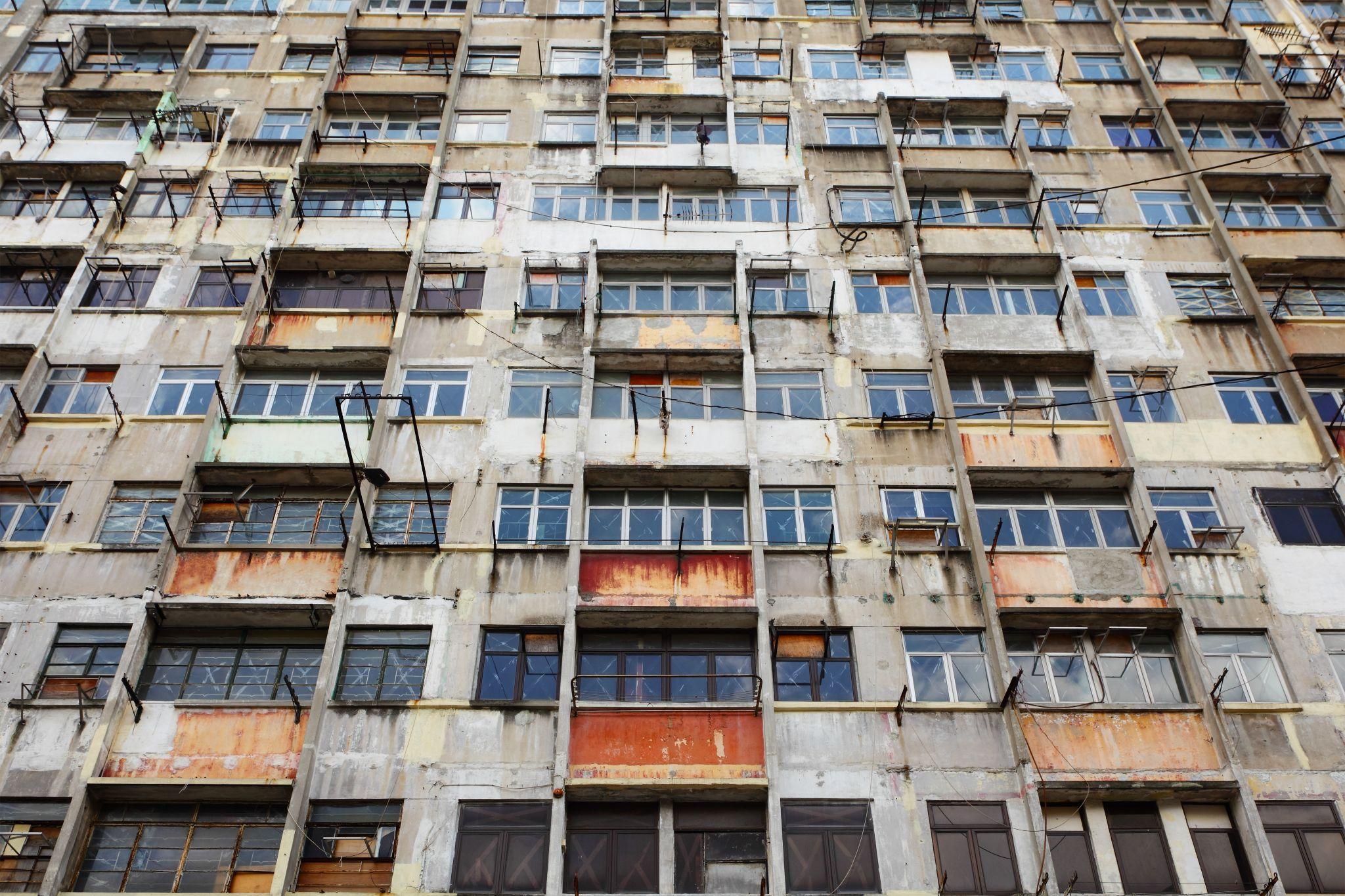
In this way, a response is given to the need to improve the building and housing stock of our country to meet European sustainability goals. The margin for action is significant since currently 45% of buildings were built before 1980 and nearly a million homes are in poor, bad, or ruinous conditions. The Energy Rehabilitation Program for existing buildings in municipalities and areas with less than 5,000 inhabitants (PREE5000), which aims to support the energy rehabilitation of residential and non-residential buildings through improvements in energy efficiency and the incorporation of renewable energies, establishes that “subsidized actions will be those carried out on the thermal envelope of the building which consists of the enclosures of the building that separate the habitable areas from the external environment (air, land, or another building) and the interior partitions that separate the habitable areas from the non-habitable, which in turn are in contact with the external environment. The energy actions considered within this measure will be those that achieve a reduction in the heating and cooling energy demand of the building". The energy actions on the thermal envelope may consider conventional and "non-conventional" constructive solutions, that is, all those measures related to bioclimatic architecture, including the implementation of trombe walls, parietodynamic walls, attached greenhouses, shading systems, or natural ventilation among other activities.
In the municipalities and urban areas targeted by PREE 5000, 9.7% of the homes are in a state of
Siber Ventilation
Manufacturer of High Energy Efficiency Ventilation Systems. Siber provides a set of high energy efficiency solutions in wind and mechanically intelligent ventilation, improving the Health, Hygiene, and Comfort of people, being respectful of the environment.