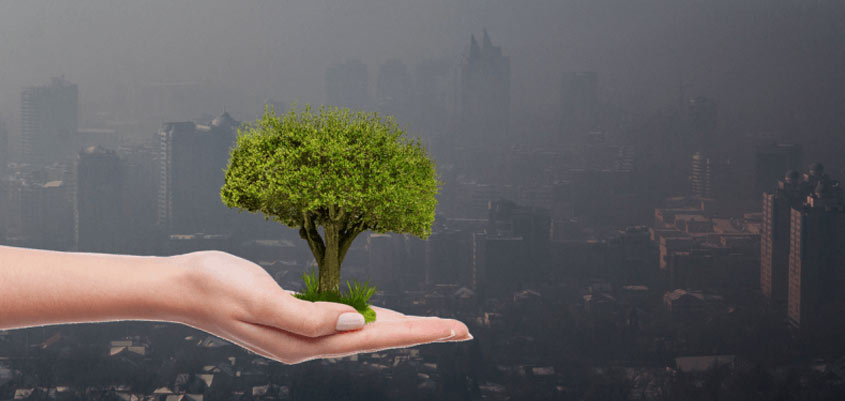
Myths and realities about pollution

Sustainability and energy efficiency are among the greatest challenges we face in this 21st century. However, in many countries around the world, there is still not enough education regarding climate change, and while Spain has made remarkable progress, there are still voices that deny the ozone layer hole or how pollution affects us in our daily lives. There are myths and realities about pollution that are worth analyzing.
Starting, without a doubt, with whether climate change exists. According to many, it is a phenomenon that does not exist and that its basis is unfounded. However, the United Nations created a specialized body known as the Intergovernmental Panel on Climate Change, and has been investigating this phenomenon for more than 25 years.
Moreover, there are specific cases and data that support the existence of this process, in addition to facts in the news such as the melting of key areas like Greenland, which every year causes rising sea levels, making this year one of the most critical. Those who want to downplay its importance claim that the more water is held on the planet, the seafloor also gives way, but while it is true that it never gives way as much as the sea level rises.
Some of the myths and realities about pollution in general are as follows:
- "It is impossible to stop climate change." This is again a myth, as it is a simple mathematical operation: if we pollute less than what the planet can handle, the planet regenerates. However, for this to happen, everyone needs to contribute. Using private transportation less, being more conscious of using air conditioning, or using less electricity are actions we can take at a personal level. On the other hand, the administration must prioritize progress over the sustainability of the planet, with policies that do not allow the abuse of natural resources.
- "If we stop polluting, we will worsen the quality of life." Again, this is another myth about pollution. Currently, there are enough mechanisms for energy efficiency to avoid the consumption of electricity and other supply sources. For example, we already have passive houses and in 2020, the obligation to build Nearly Zero Energy Buildings. The options to consume less are numerous.
- "Motorized traffic is the biggest generator of pollution." This is also false. In reality, electrical and heat production is the main responsible for global CO2 emissions, accounting for 34% of the total. Furthermore, a hundred current cars consume the same as one car from the 70s. But that does not mean we should rely on cars for our transportation. And the electric car, although it does not emit gases into the atmosphere, requires an electrical charge that also generates a lot of pollution.
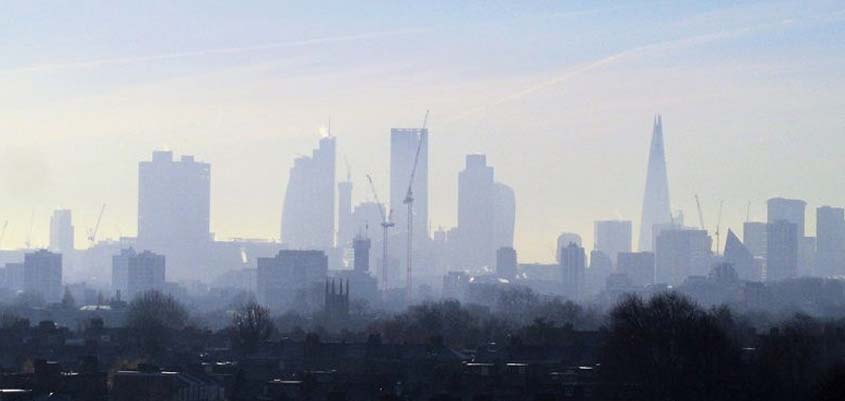
- "Buildings are the largest energy consumers." This is indeed a reality. About half of the pollution comes from buildings. Therefore, improving energy efficiency indoors must be a priority.
- "The air in cities is becoming cleaner." This is a reality in many places in Spain. For example, the Madrid City Council announced that between 2007 and 2013, it achieved a 20% reduction in greenhouse gas emissions, and a 30% reduction compared to 1999. This confirms that the efforts being made are yielding results, although it is necessary to further increase the commitment to energy efficiency.
- "The problems of pollution are being experienced today and not in the future." This is a reality. Many say that the problems of climate change will be felt in a few decades. But pollution is already making our cities worse places to live, and we must prevent that from happening. Many people are affected by pollution issues.
How to interpret the myths and realities about pollution
Beyond the myths and realities about pollution that still exist in our society, the fight against climate change has three mainly differentiated areas:- Large industries and the productive sector must adapt to new realities and sustainability. It is important to set red lines so that maximizing profit is not the only goal, but that production always occurs in an environmentally respectful manner.
- Individuals must become aware of the role they play. Use the car less, adopt energy efficiency systems at home, rationalize consumption, and promote recycling.
- Governments must be able to lead this change and serve as a backbone for fighting pollution. They are responsible for limiting individuals' actions and raising awareness among the population.

Siber Ventilation
Related posts

Air Purifiers: Functioning and Possibilities in Our Home
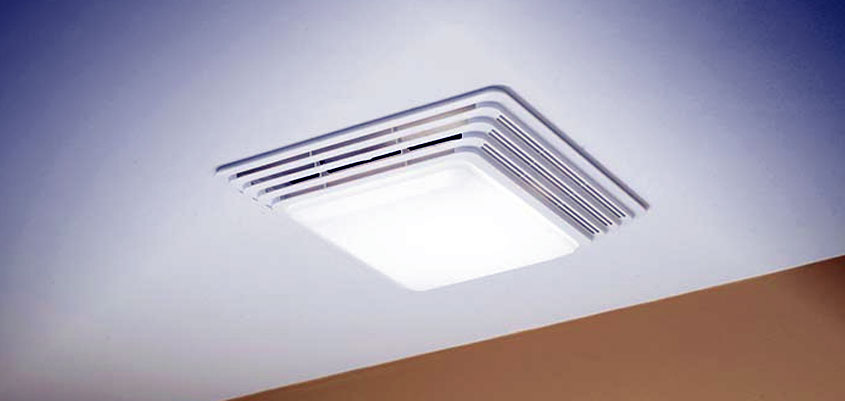
Bathroom fan to renew the air in humid rooms